极端天气已达人体耐热极限

美国与欧洲近日相继出现极端热浪。科学家警告,全球极端气温已逼近人体耐热极限,当湿球温度超过摄氏35度以致人体排汗散热失调,恐让中东、南亚及中国华北平原不适宜居住。

湿球温度指的是当前环境仅通过蒸发水分所能达到的最低温度,以反映水分蒸发能力。

英国劳柏罗大学气候科学家马修斯指出,当气温超过摄氏35度,人体靠排汗让体温保持在安全值。但当湿球温度达35度时,人体的调节系统就难以运作。

马修斯说:“湿球温度包含水分蒸散的冷却作用,因此通常较天气预报的正常气温(即干球温度)低得多。一旦超过湿球温度门槛,空气里就会饱含水汽,让汗液无法蒸发。”

这意味人体无法降温到足够程度,几小时内就会身亡。

他指出:“这无关喝多少水、躲在多阴凉的地方或休息多久,无法排除体热,身体核心温度就会上升。”

马修斯说,气候变迁让世界部分人口最密集的区域恐在本世纪结束前超出湿球温度门槛,波斯湾地区、南亚以及中国华北平原首当其冲,成为不适宜居住地带,这些地区加起来,人口达数十亿。

冷气是抗暑的最后防线之一,却有大量耗电问题。马修斯表示,到了2050年,冷却系统带来的用电增加,相当于现在美国、欧盟、日本加总起来的用电量,十分惊人。

马修斯认为,眼下的挑战严峻,但人们能拿出的相应办法却有限,因此温室气体排放必须降至巴黎气候协定的限制,这样才有机会扭转致命的高温。

Extreme global temperatures are pushing the human body “close to thermal limits”, according to a climate scientist.

Record-breaking heat has swept through Europe this week with temperatures topping 40C in a number of countries.

However, in places such as South Asia and the Persian Gulf, people are already enduring temperatures reaching up to 54C.

Despite all the body’s thermal efficiencies, these areas could soon be uninhabitable, according to Loughborough University climate scientist Dr Tom Matthews in The Conversation.

When air temperature exceeds 35C, the body relies on sweating to keep core temperatures at a safe level. However, when the “wet bulb” temperature – which reflects the ability of moisture to evaporate – reaches 35C, this system no longer works.

“The wet bulb temperature includes the cooling effect of water evaporating from the thermometer, and so is normally much lower than the normal (“dry bulb”) temperature reported in weather forecasts,” Dr Matthews wrote.

“Once this wet bulb temperature threshold is crossed, the air is so full of water vapour that sweat no longer evaporates,” he said.

This means the human body cannot cool itself enough to survive more than a few hours.

“Without the means to dissipate heat, our core temperature rises, irrespective of how much water we drink, how much shade we seek, or how much rest we take,” he explained.

Some areas – which are among the most densely populated on Earth – could pass this threshold by the end of the century, according to Dr Matthews.

There is already evidence wet bulb temperatures are occurring in Southwest Asia.

With climate change starting to profoundly alter weather systems, rising temperatures could soon make parts of the world uninhabitable.

If electricity can be maintained, living in chronically heat-stressed conditions may be possible but a power outage could be catastrophic.

In a recent paper published in Nature Climate Change, Dr Matthews and his team looked at the probability of a “grey swan” event in the case of extreme heat coinciding with massive blackouts.

Mega blackouts sometimes follow powerful tropical cyclones. Researchers found that dangerously hot temperatures during a period with no electricity could have catastrophic consequences.

“We looked at tropical cyclones, which have already caused the biggest blackouts on Earth, with the months-long power failure in Puerto Rico after Hurricane Maria among the most serious,” Dr Matthews wrote.

“We found that as the climate warms, it becomes ever more likely that these powerful cyclones would be followed by dangerous heat, and that such compound hazards would be expected every year if global warming reaches 4C.

“During the emergency response to a tropical cyclone, keeping people cool would have to be as much a priority as providing clean drinking water.”

Heat-stressed countries are likely to see the largest absolute increases in humid-heat and they are often the least well-prepared to deal with the hazard. This could drive mass migration, which would make heat a worldwide issue – even for countries that are not experiencing scorching temperatures.

Dr Matthews wrote: “The challenges ahead are stark. Adaptation has its limits. We must therefore maintain our global perspective on heat and pursue a global response, slashing greenhouse gas emissions to keep to the Paris warming limits.

“In this way, we have the greatest chance of averting deadly heat – home and abroad.”

Source: Zaobao / Independent

去年量增141% 印尼将收紧塑料垃圾进口政策

印尼统计局数据显示,原是全球最大废料买家的中国改变其废料处理政策后,印尼去年的塑料垃圾进口激增了141%,达28万3000吨。

印尼贸易部外贸业务主任努尔万透露,印尼政府已经通知15个主要塑料垃圾出口国,当局将就废料进口实施新政策。他说:“如果出口商不来自注册名单,我们就不会发布(进口)许可证。”

绝大部分进口塑料垃圾来自澳德荷英美

据环保组织“绿色和平”今年4月发表的报告,印尼绝大部分的塑料垃圾进口来自澳大利亚、德国、荷兰、英国和美国。

除了印尼之外,近几个月以来,包括柬埔寨、马来西亚、菲律宾在内的多个东南亚国家纷纷收紧对“洋垃圾”的进口限制,先后多批次退回来自美国、加拿大等发达国家装有废品的集装箱,用实际行动表态,不愿充当发达国家的“垃圾场”。

7月18日,柬埔寨政府在该国西哈努克港截获了83个集装箱的塑料废品,经查它们来自美国和加拿大。柬政府环境部表示,必须让这些废品“从哪里来回哪里去”,同时要追究相关进口企业的责任。

5月31日,经过菲律宾数年的交涉及抗议,69个装载着垃圾的集装箱终于被运出菲北部苏比克湾自由港,驶向其源头地加拿大。

今年5月,马来西亚宣布把450吨进口垃圾送回加拿大、日本、美国等地。马来西亚能源、科技、气候变化与环境部长杨美盈表示,马来西亚敦促发达国家重新审视其塑料废品处理方式,停止把这些垃圾运往发展中国家。

一些饱受诟病的发达国家在垃圾处理问题上总爱“甩锅”,把自家产生的废弃物运往别国处理。这当中有多重原因,一个重要因素是发达国家垃圾产生量巨大,人均垃圾产生量远远高于发展中国家。

其次,出于处理成本、环境压力等因素考虑,一些发达国家也更倾向于将本国产生的垃圾出口到发展中国家,而不是在本国处理。然而,随着人们环保意识的普遍提高,这种做法正变得行不通,多个东南亚国家拒绝来自发达国家垃圾的做法印证了这一点。

越来越多发展中国家采取强硬立场,使得发达国家转移垃圾的自私行为不断受到遏制。实际上,早在上世纪80年代末,国际社会就制定了以保护发展中国家环境利益为宗旨的《巴塞尔公约》。公约充分确认,各国有权禁止外国危险废物和其他废物进入本国领土。

今年5月修订后的《巴塞尔公约》把塑料垃圾这类重要污染物也纳入进出口限制对象,这就意味着发达国家“偷偷”向发展中国家出口塑料垃圾转嫁污染的做法将难以得逞。

Source: Zaobao

挪威斯瓦尔巴有超过200头驯鹿饿死

挪威国营广播机构NRK周六(27日)报道,挪威研究人员在挪威斯瓦尔巴的北极群岛发现超过200头已经饿死的驯鹿。

挪威极地研究所三名研究员说,气候的变化以及粮食的缺乏是导致这场悲剧发生的原因,而且这是前所未见的规模。

研究员佩特森说:“看到那么多动物死亡是很恐怖的。这是气候变化对环境造成影响的一个可怕例子。”

据佩特森,12月发生在斯瓦尔巴的豪雨让这些动物在寻找食物时,非常困难。

她相信,虽然这些驯鹿远离文明社会,也不受人类干扰,但它们的死亡却显示,一个较为温和的气候对这些野生动物可造成巨大影响。

Some 200 reindeer have been found dead from starvation in the Arctic archipelago Svalbard, an unusually high number, the Norwegian Polar Institute said Monday (July 28), pointing the finger at climate change.

During their annual census of the wild reindeer population on the group of islands in the Arctic ocean, about 1,200 kilometres from the North Pole, three researchers from the polar institute identified around 200 deer carcasses believed to have starved to death last winter.

Ashild Onvik Pedersen, head of the census, said the “high degree of mortality” was a consequence of climate change, which according to climate scientists, is happening twice as fast in the Arctic as the rest of the world.

“Climate change is making it rain much more. The rain falls on the snow and forms a layer of ice on the tundra, making grazing conditions very poor for animals,” she told AFP.

In winter, Svalbard reindeer find vegetation in the snow using their hooves, but alternating freezing and thawing periods can create layers of impenetrable ice, depriving the reindeers of nourishment.

According to Onvik Pedersen, a comparable death toll has only been recorded once before – after the winter of 2007-2008 – since monitoring of the reindeer population started 40 years ago.

The increased mortality is also due in part to a significant increase in the number of reindeer in the Norwegian archipelago. That is partly thanks to climate change and the warmer summers, meaning more individuals compete in the same grazing areas.

Since the 1980s, the number of reindeer has doubled in Svalbard, and now stands at around 22,000, according to the Norwegian Polar Institute.

Source: Zaobao / The Straits Times

动物适应能力赶不上气候变化速度

气候变化正使全球很多物种面临生存挑战。一个国际研究团队发现,尽管动物会“自我调节”来适应环境变化,但它们的适应能力总体上还是赶不上气候变化的速度。

德国莱布尼茨动物园与野生动物研究所学者领衔的团队近日在英国《自然·通讯》杂志发表报告说,他们分析了此前发表的1万多项科研成果,结果发现,动物通常会尽力“自我调节”去适应气候变化,比如调整冬眠、繁殖和迁徙时间等,只要适应得足够快,它们还是可以在气候变化时在自己的栖息地生活。

不过研究人员说,按照如今的气候变化速度,即便是那些“自我调节”较快的动物,适应速度也不足以保证生存。

莱布尼茨动物园与野生动物研究所教授沙特说,新研究主要针对鸟类,而且是大山雀、喜鹊等常见而且已知能较好地应对气候变化的物种。其他动物群体的完整数据较少。研究人员预计,一些稀有或濒危物种的生存前景更不容乐观。

动物灭绝可能会对生态系统造成严重破坏。研究人员说,希望他们的分析和数据整理能够促进气候变化与物种适应能力相关研究,为制定更好的环境保护措施贡献力量。

The speed of climate disruption is outstripping many animals’ capacity to adapt, according to a study that warns of a growing threat to even common species such as sparrows, magpies and deer.

Scientists behind the research described the results as alarming because they showed a dangerous lag between a human-driven shift in the seasons and behavioural changes in the natural world.

Previous academic work has shown that species respond to warming temperatures by earlier timing of biological events, for example egg-laying by birds, budding of plants and flying of insects. The new metastudy, published in Nature Research, examines how effective this is in terms of reproduction and survival.

Based on 10,090 abstracts and extracted data from 71 published studies, it found a clear lag in the majority of species studied and none could be considered safe. “The probability that none of the study species is at risk is virtually zero,” the paper notes.

The authors said hundreds of thousands of species were not covered by their study, which was weighted heavily towards birds in the northern hemisphere, but they said the problems of adaptation to climate change were likely to be even greater for other animals already deemed at risk of extinction.

Viktoriia Radchuk of the Leibniz Institute for Zoo and Wildlife Research in Germany, said: “Personally I find the results alarming. Species attempt to adapt to changing environment, but they cannot do it at a sufficient pace to ensure that populations are viable. Climate change has caused irreversible damage to our biodiversity already, as evidenced by the findings of this study. The fact that species struggle to adapt to the current rate of climate change means we have to take action immediately in order to at least halt or decrease the rate.”
A similar message was delivered to the UK parliament on Tuesday as senior conservation figures warned that the nation’s natural infrastructure – which provides fresh water, clean air, carbon sequestration and human wellbeing – was being undermined by the climate crisis, pollution, urban sprawl and budget cuts.

Tony Juniper, the chair of Natural England, which is the government’s main advisory body on conservation, said: “The 21st century will be characterised by our success or not in wrestling with these huge challenges. If we carry on as we are, I fear biodiversity will continue to decline in this country.”

He told the Environmental Audit Committee that the present system of monitoring and protecting nature reserves and sites of special scientific interest had been undermined by a 60% budget cut over the past 10 years, which had left a stressed and demoralised skeleton crew.

It was not too late to reverse this, he said, and outlined plans for a “nature recovery network” that would rebuild woodlands and peatlands, and work with farmers to protect species and restore soil quality, which can draw down the carbon dioxide that causes global heating.

“This is the soundest investment we can make in the future of the country,” Juniper said. “Unlike other assets – like roads and bridges, which depreciate over time – you get more value in the future,” he said, citing economists’ estimates of a 10 to 100-fold return in terms of better food, water and carbon sequestration.

His views were echoed by the head of the Committee on Climate Change, John Gummer, who said it would be impossible for the UK to reach its goal of “net zero” emissions by 2050 without investing in biodiversity protection and renewal.

Source: Zaobao / The Guardian

R生活 – Reassure 安心

心灵的充实和宁静便是幸福

自省、自悟、自信,方向就能正确。
心静、心安、心定,就能拥有正能量。

不断完善自己,做所有的事情坚持不懈地努力,便能让人变得敏锐犀利,洞察一切。这种精神和意志力的结合就会使人变得坚毅,内心强大。这是安心的重要之本。

REASSURE01

读书可以修心养性,丰富知识,开阔视野,使人心地善良、心胸宽广。
读书可以让人心如明镜、改变修养和气质,这样才会拥有自信心去做有意义的事情,让内心回归宁静的原点。

REASSURE02

在事业上,要有立身之本才能安心。我们要时刻警醒,不能懈怠。要不断学习提高自己,面对问题,迎刃而解,化险为夷。

REASSURE03

国家的强盛,要政治廉洁、法律严明、经济稳势发展、社会稳定,人们才能安居乐业。人与人之间的诚信是心灵的良药,只有在这样的环境中,才能使人安心。

冰鲜世界

梅雨季节和雨季,会产生大量潮湿。这时要特别注意食品卫生,不能受霉菌影响。

FRIDGE01

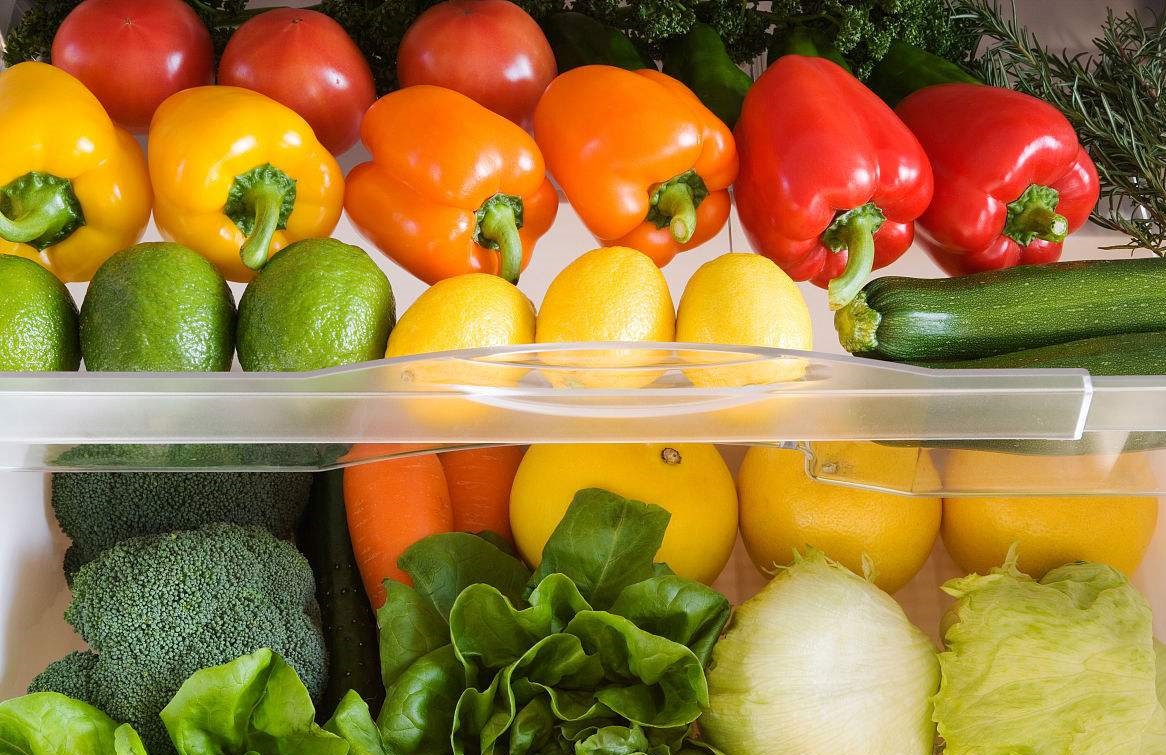
室内温差忽冷忽热,特别容易产生潮湿,是霉菌滋生的温床。霉菌繁殖迅速,经常造成食品大量霉腐变质。容易产生霉菌的地方包括浴室、卫生间、橱柜、水池、空调和冰箱。

FRIDGE02COV
FRIDGE03

世界第一台冰箱是1910年问世的。它不仅能让人们在炎热的夏季吃上冰爽食物,又可以保鲜储藏食物,可谓功能强大。

FRIDGE04

但是食物在冰箱内就绝对安全了吗?事实上,食物还是会发霉的。冰箱只会延缓它们的成长速度,并不能根除。而且,冰箱里的一种食物发霉后,其他食物如果没有防护的放在一起,也不可以食用。

FRIDGE05

霉菌是真菌的一部分,是一种微生物,生命力顽强,肉眼根本无法看见,能在不利的环境中长期潜伏,一旦环境适宜,便肆意生长。

FRIDGE06
FRIDGE07

霉菌可以使食物转变成有毒物质,在食物中产生毒素。如黄曲霉菌,是头号致癌杀手,对人的健康造成的危害极大,其毒性比亚硝酸胺强75倍,比砒霜强68倍,比氰化钠强10倍,导致慢性中毒、致癌、致畸、内分泌紊乱、抑制免疫力、肝肾损伤、基因突变。

FRIDGE08

有人认为把食物坏的部分削掉,留下好的部分吃就可以。但事实上,更深层的霉菌和此前产生的毒素是去不掉的,即便把食物好的部分高温加热到100摄氏度仍然有很多毒素能够存活。

FRIDGE09

所以要做到定量制食,不要过多地购买食物,储存在冰箱里。定期清理冰箱,不给霉菌滋生的机会,一定要养成不吃剩食的好习惯。我们提倡吃新鲜的果蔬和食物,提倡冰箱环保。为了自己和家人的健康,我们要营造一个干净、安全的生活环境!

FRIDGE10

R生活 – Root 根

追根溯源的情怀早已写进了人类DNA编码之中,世间万物总有个原点,这个原点意义无比重大。

根就是阳光,根就是水,根就是空气

根,是心灵的归宿,它告诉我们不能忘本。根,也意味着最根本的伦理道德,人的价值观、人生观、世界观。正其心,诚其意、知善、知美、知心、知性、知行。

ROOT02

根象征着生命的基础,力量的源泉。

人生中,胸怀天地,志在四方,但内心始终都有一个归宿,那便是心中的根。
心中的根伴随着强壮的体魄、历尽千难万险的自信和不被磨灭的善良,它就是人生的指路明灯。

ROOT03

一个国家、一个民族更应该追溯和探究她的历史和文化,世代延续传承它的博大精深。根为本,饮水思源,不忘初心,止于至善!

H&M to charge for plastic bags

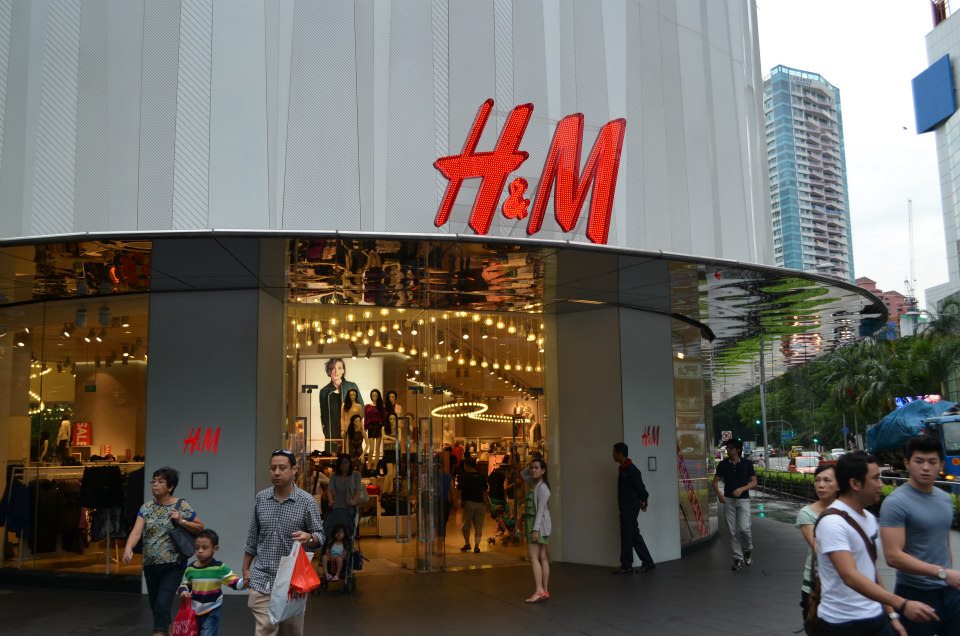
Fashion giant H&M will soon start charging customers in Singapore 10 cents for each plastic or paper bag as part of a new initiative to reduce waste.

The move, which takes effect at all H&M stores from next Thursday (July 25), is part of a packaging strategy to reduce plastic use in the long run, said the Swedish retailer in a press release on Monday (July 15).

All proceeds collected from the shopping bag charge will be donated to WWF Singapore’s Plastic ACTion (PACT) initiative, which is an industry-wide initiative to reduce plastic use by 2030.

Under PACT, proceeds from H&M’s shopping bag charge will go towards innovations to find sustainable alternative materials, research into plastic pollution and conservation projects.

Shoppers who patronise the fashion giant have welcomed the move against plastic use.

Graphic designer Audrey Ng, 25, who shops at H&M every other month, said she does not mind paying for a bag.

“If I really needed a bag, then why not pay for it? It’s 10 cents, which is not expensive and the money also goes to a good cause.”

Ms Ng added that the charge would also cause shoppers to determine if they really needed a bag before accepting one.

Civil servant Ginny Goh, 44, said that while she does not think plastic bags should be banned entirely, charging for them is the right move.

“I think all single-use bags should be chargeable. We need to drastically cut down on their use and the only way is to charge. This way, people will only take what they need.”

Ms Goh’s two teenage daughters also shop at H&M and she regularly encourages them to bring their own bags.

“I don’t think it’s a big deal to charge for bags. People will get used to it. In many other countries, bags are already chargeable everywhere, in the shops and in the supermarkets.”

H&M has already rolled out charges for shopping bags in other countries including Sweden, Malaysia, the United Kingdom, Japan and Switzerland.

H&M is not the first company in Singapore to charge for shopping bags.

In October last year, the Cotton On Group embarked on a similar programme to phase out plastic shopping bags from all its stores worldwide, including in Singapore. The fashion chain now provides shoppers with recyclable paper bags which cost 10 cents each.

Cosmetics and skincare company The Body Shop stopped providing plastic bags in January 2018, and it also charges 10 cents for each recyclable paper bag.   

Lifestyle brand Miniso and clothing chain Bossini have also been charging 10 cents for a bag since 2017 and 2012 respectively.

Swedish furniture giant Ikea started charging for plastic bags in 2007 before phasing them out in 2013. Today, shoppers must bring their own bags or buy a reusable polypropylene bag at 90 cents each.

Asked about customer reaction to the zero plastic bag policy, the head of sustainability for Ikea South-east Asia, Ms Soh Bee Lian, said there was almost no negative reaction.

“We believe that Singaporeans want to do what they can for the environment,” she said.

Speaking about H&M’s initiative, the company’s country manager for South-east Asia, Mr Fredrik Famm, said: “To create a more sustainable fashion future, we need to take the lead by tackling some of the most significant challenges that are facing our planet and society.”

WWF Singapore chief executive officer  Maureen DeRooij said that H&M’s move comes at a crucial time when bold action is needed to change how plastics are produced, used and disposed off.

“A bag charge, proven to be effective in reducing plastic use, is a crucial step that retail businesses can take to stop plastic pollution,” she said.

Source: The Straits Times

王者归来

在山的那边,海的那边
住着一群神仙小企鹅

PENGUIN01

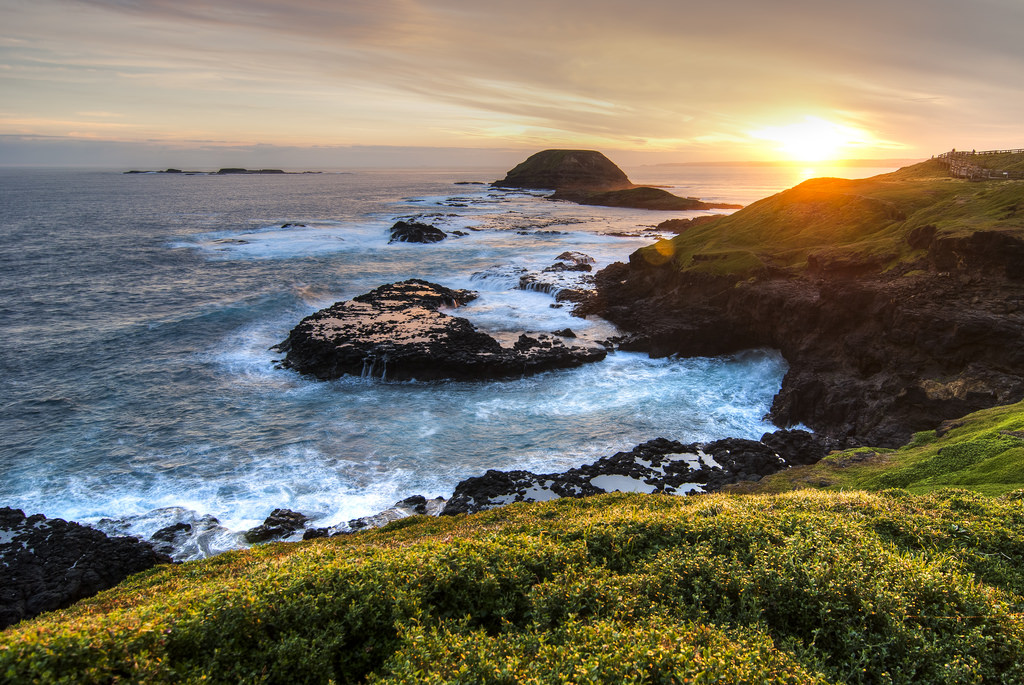
维多利亚南部海域,
有一座美丽的岛屿,菲利普岛。

PENGUIN02
PENGUIN03

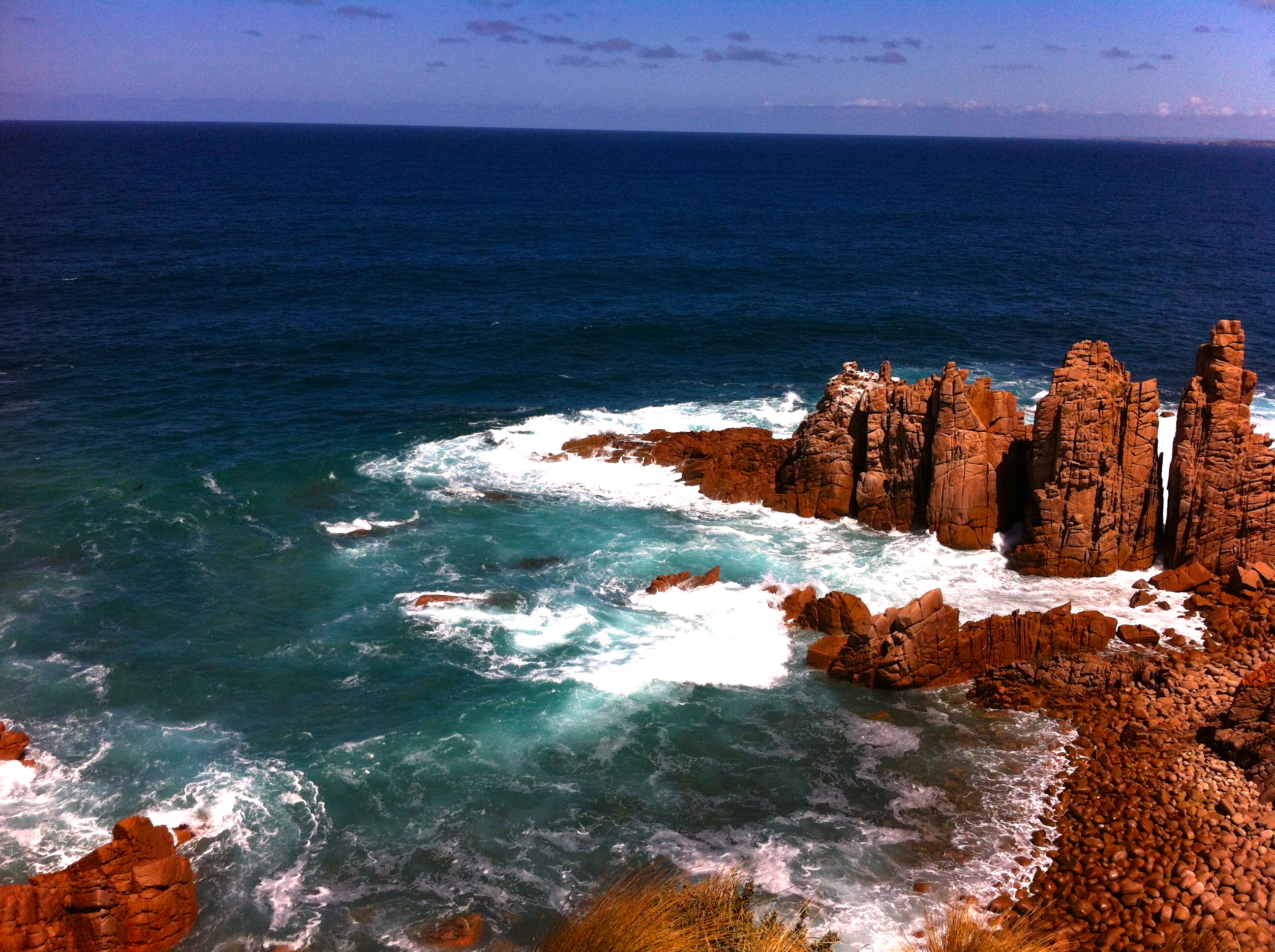
海浪拍打着岩石,
冲洗掉了都市所有喧嚣和浮躁。

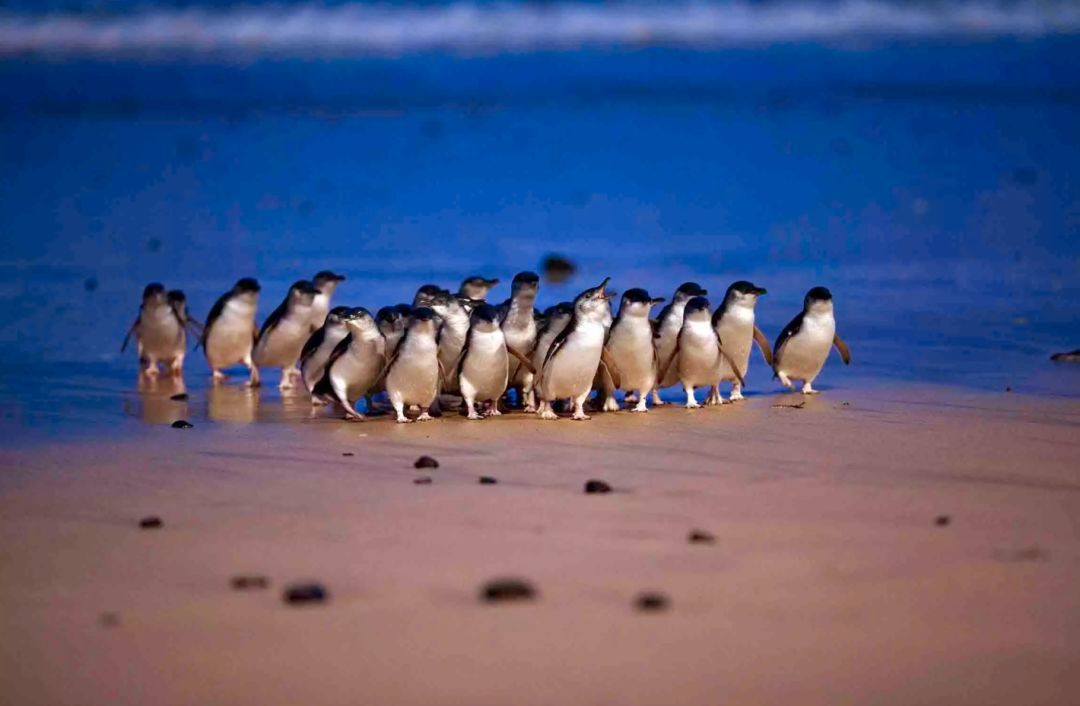
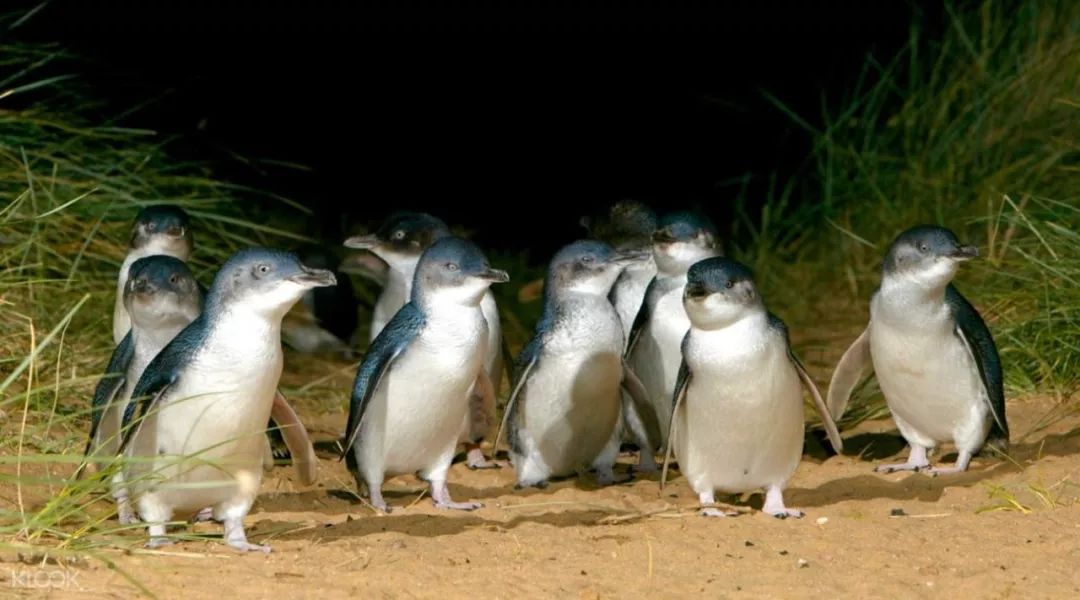
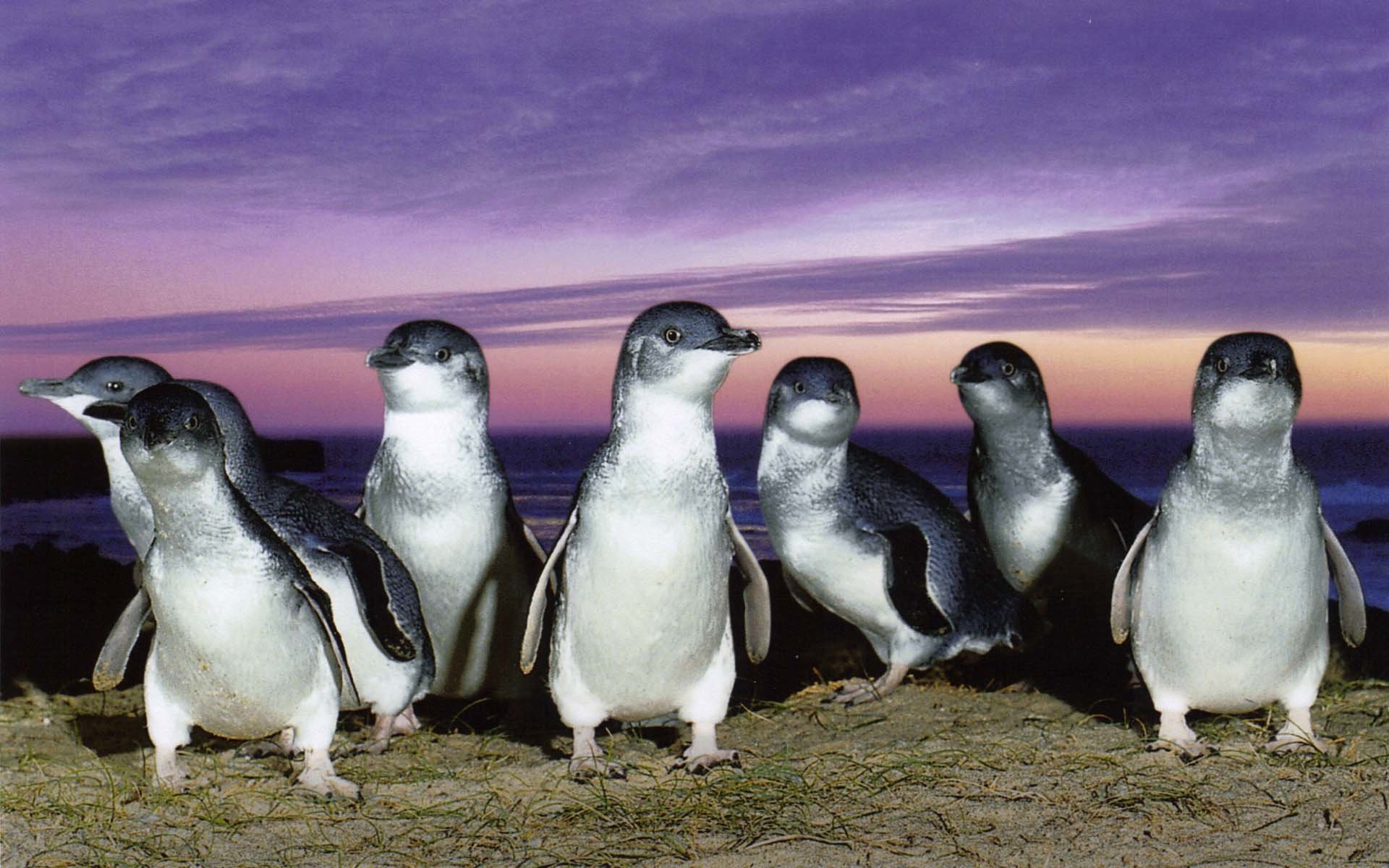
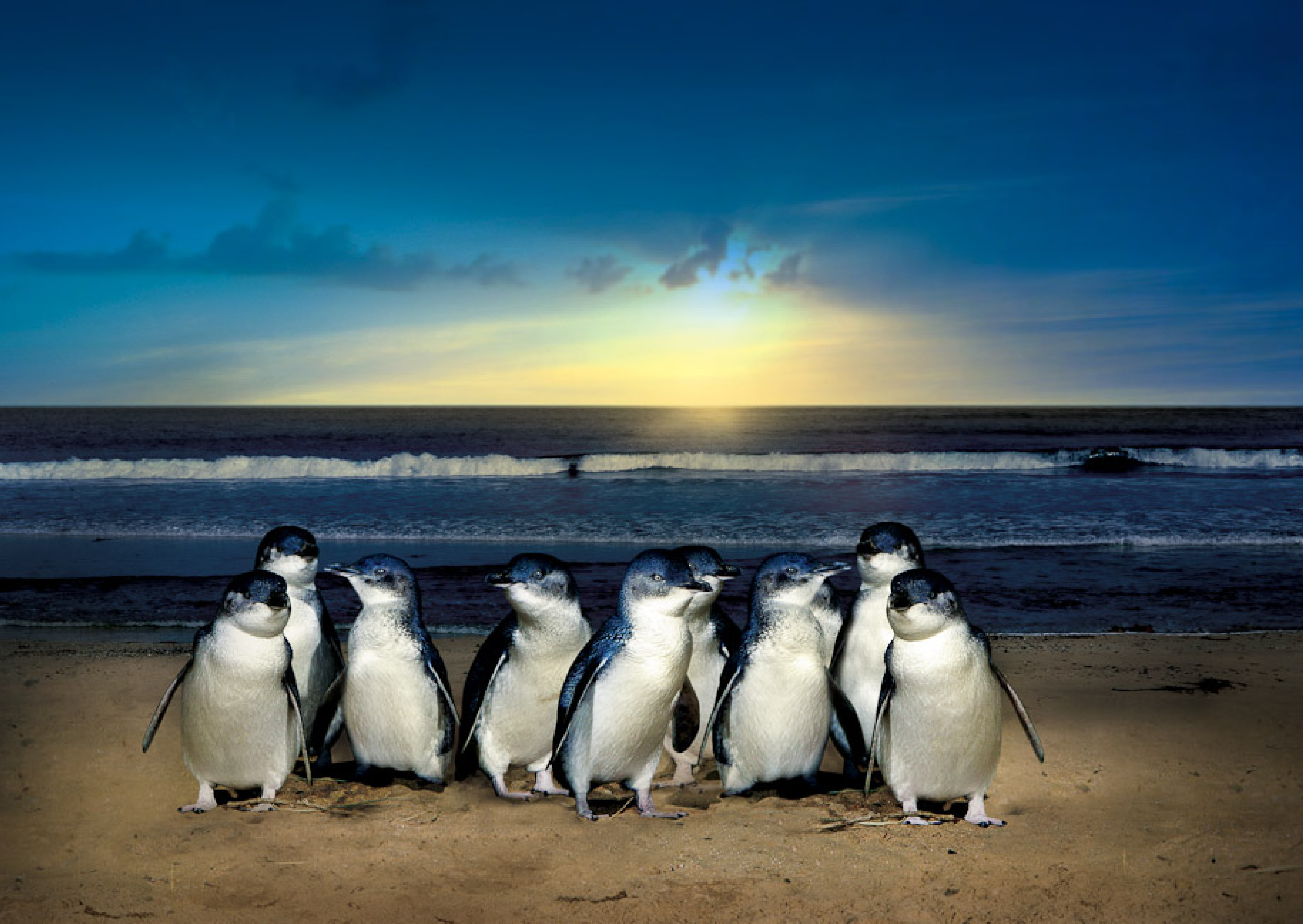
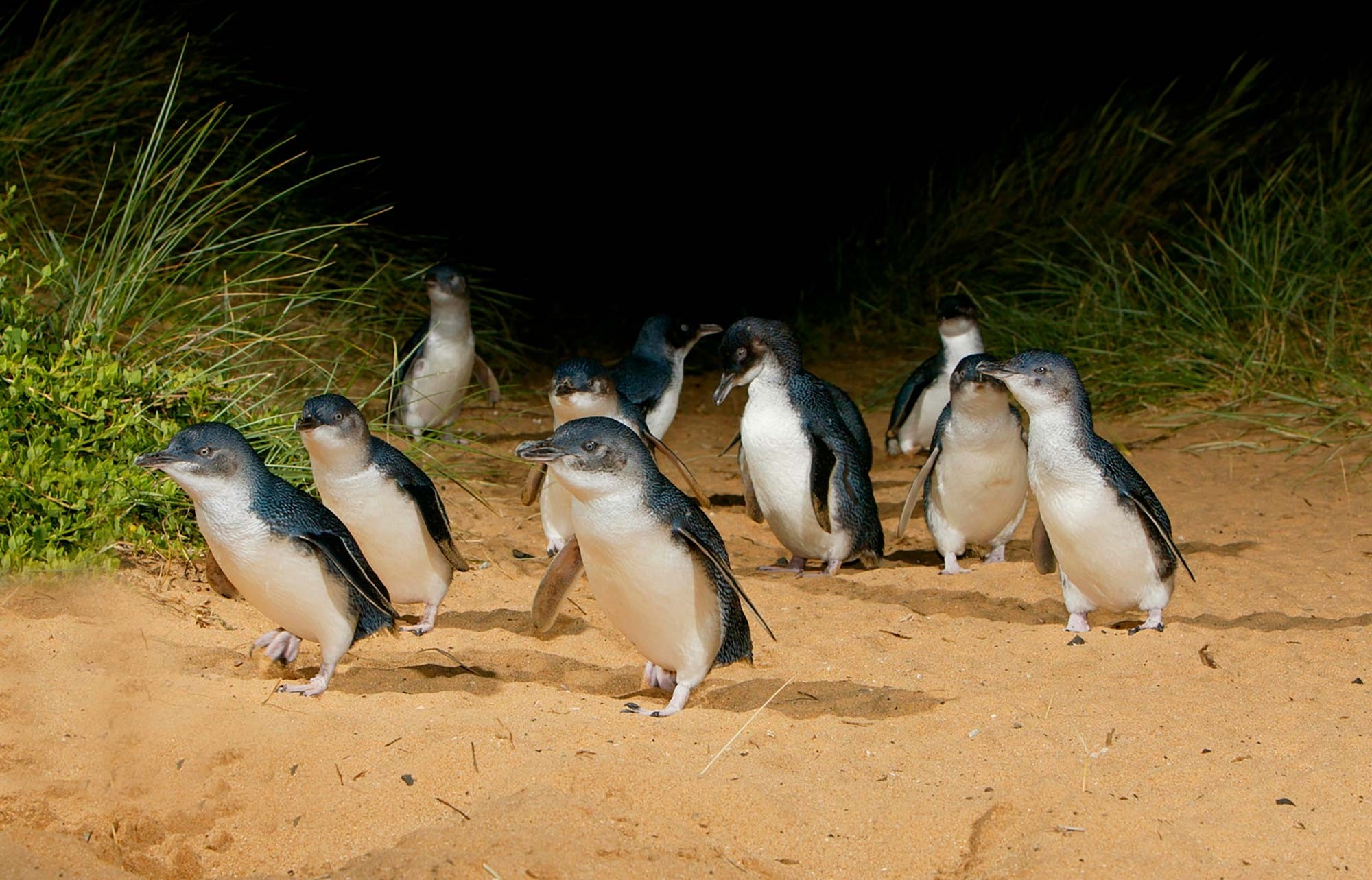
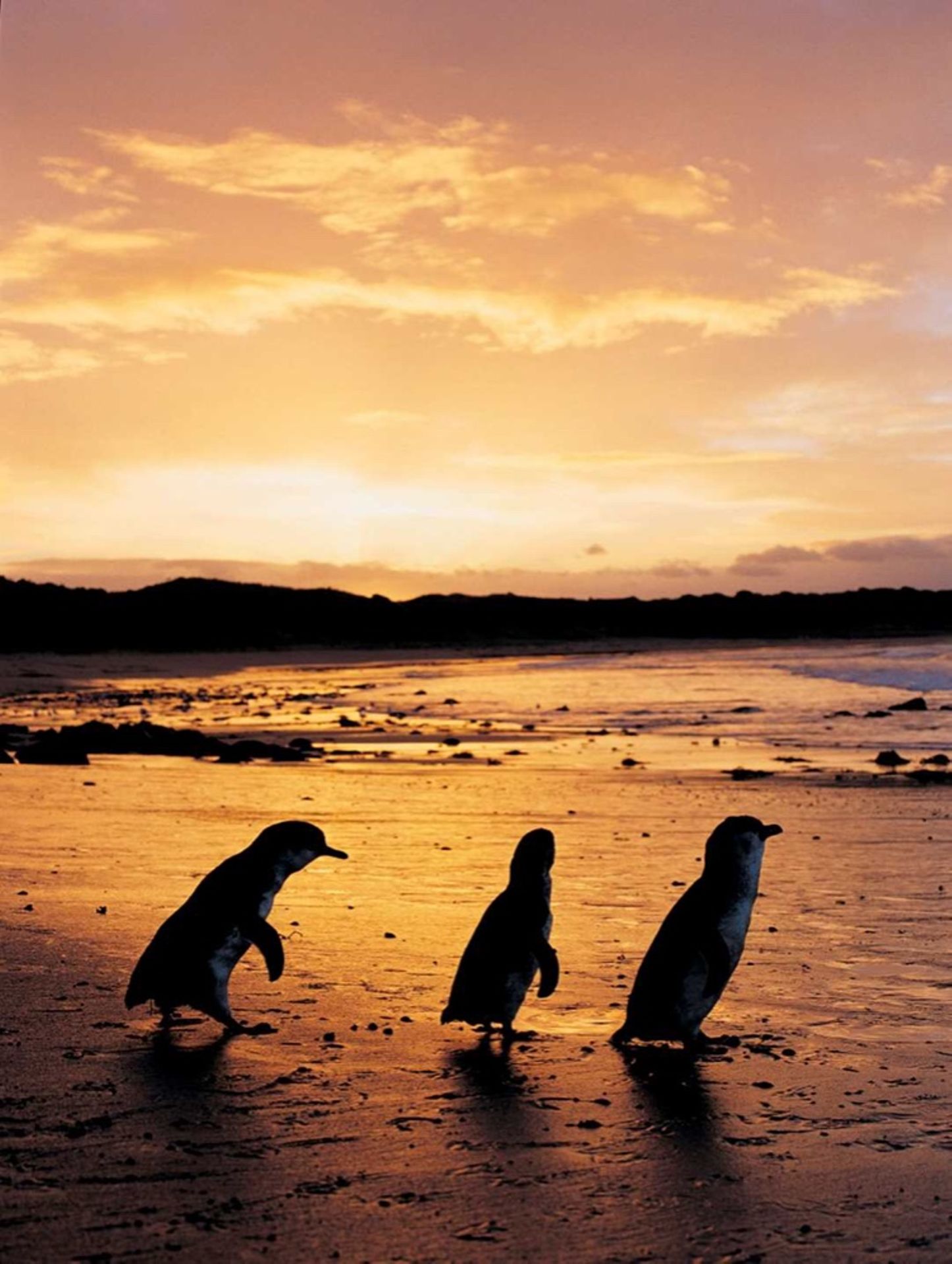
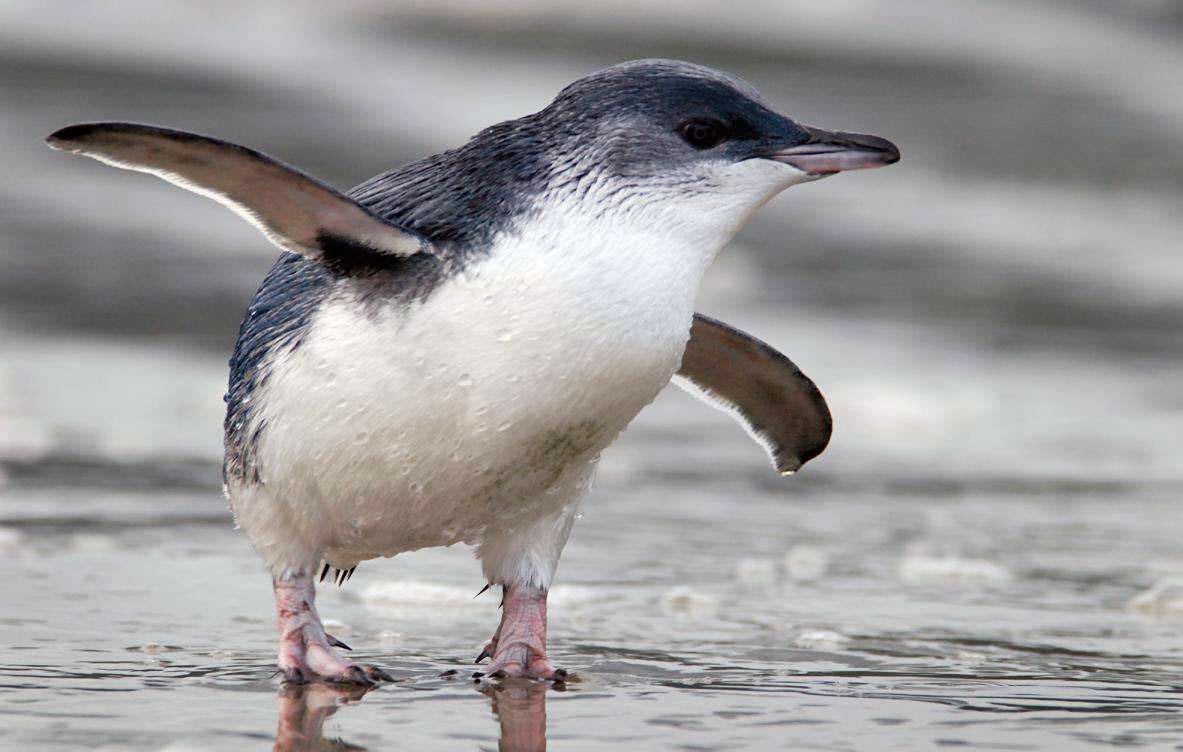
在岛西南面的萨摩兰海滩,栖息着一群神奇的小精灵,世界上最小的,身长大约30公分的神仙小企鹅。
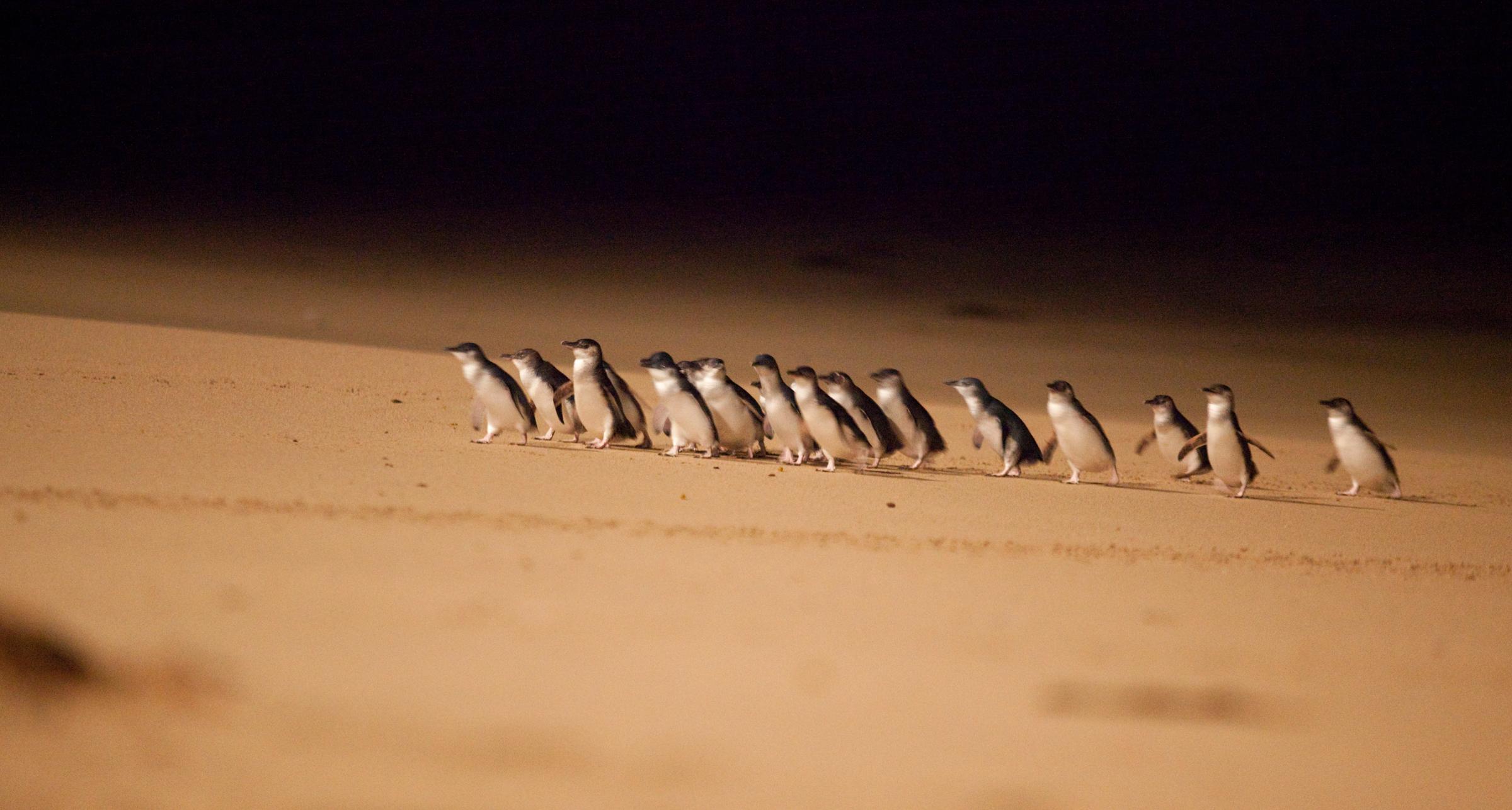
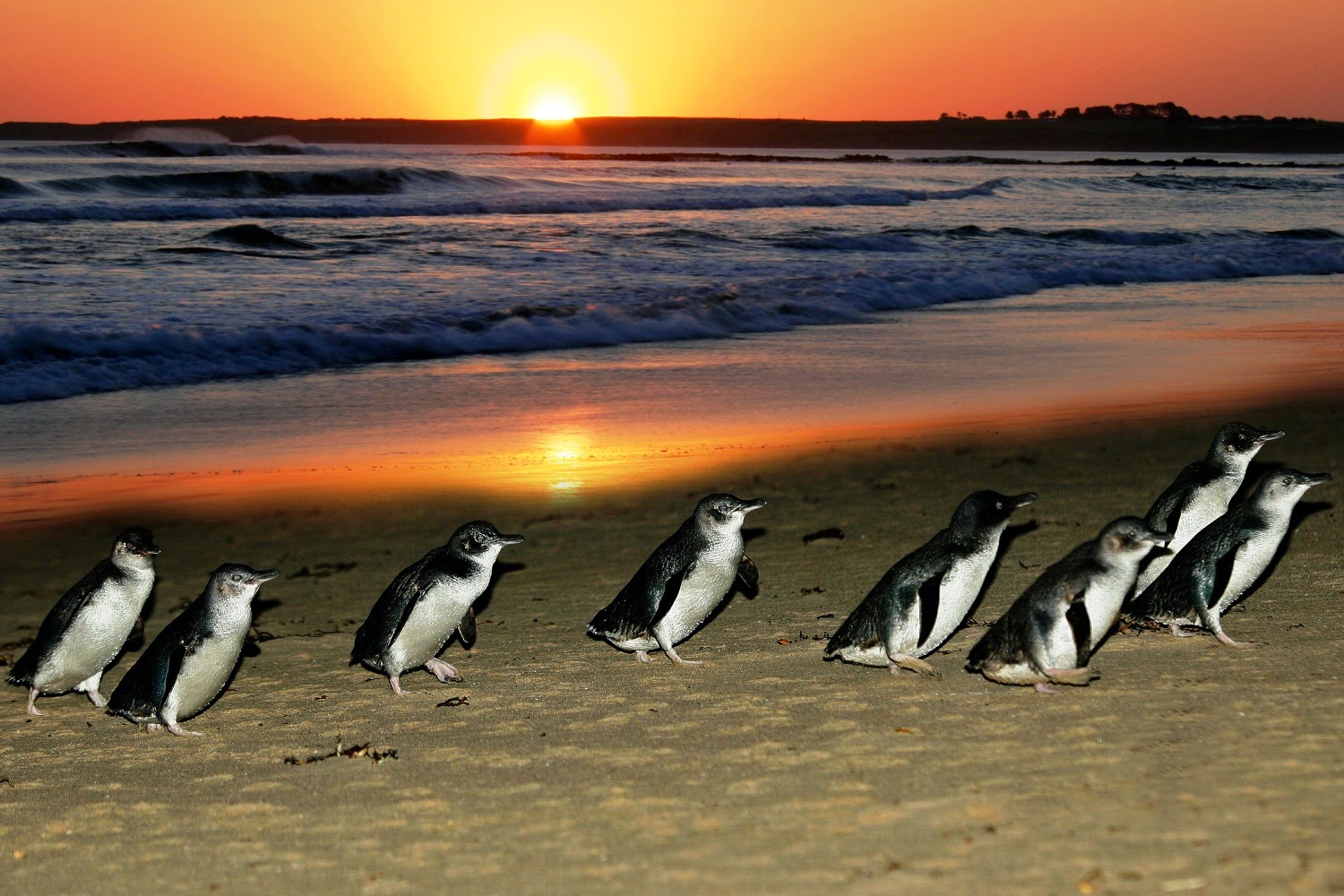
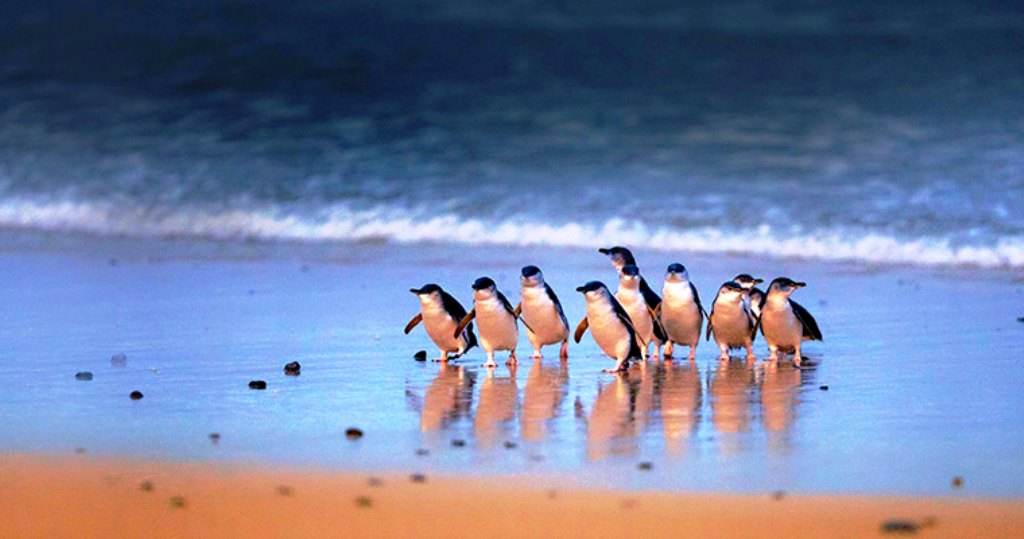
它们总是天未明便出海,游到离岸一、二百公里的深海觅食。日落后,不管何时出海的企鹅,返回小岛的时间却像人为计时一样准确无误,整齐有序地归巢,一个方阵刚离开沙滩,另一个方阵又排列起来,蔚为奇观。

PENGUIN04
PENGUIN05

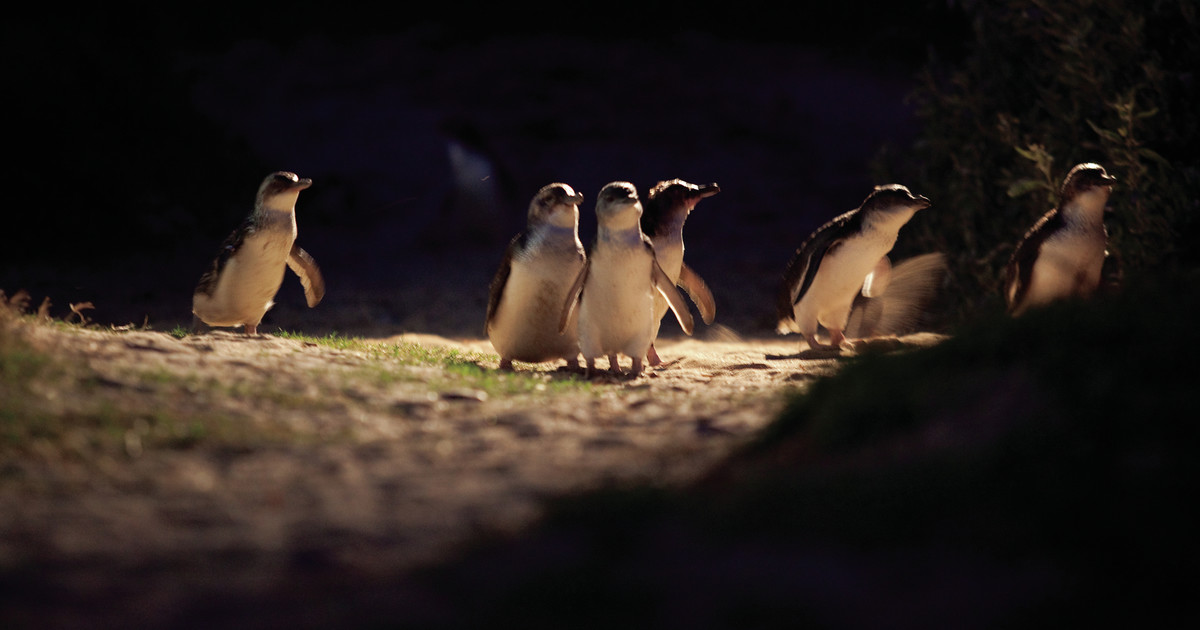
更令人惊叹的是,即使在伸手不见五指的黑夜,他们总是能循着固定的路线回到自己的巢穴里。就这样日复一日、年复一年的在夕阳暮色时分上演着结伴归巢的壮观一幕,延续了几千年。

PENGUIN06
PENGUIN07
PENGUIN08

菲利普岛自然公园是联合国教科文组织生物圈保护区之一,这里栖息着种类繁多的海鸟以及众多珍稀的野生动物。

PENGUIN09
PENGUIN10

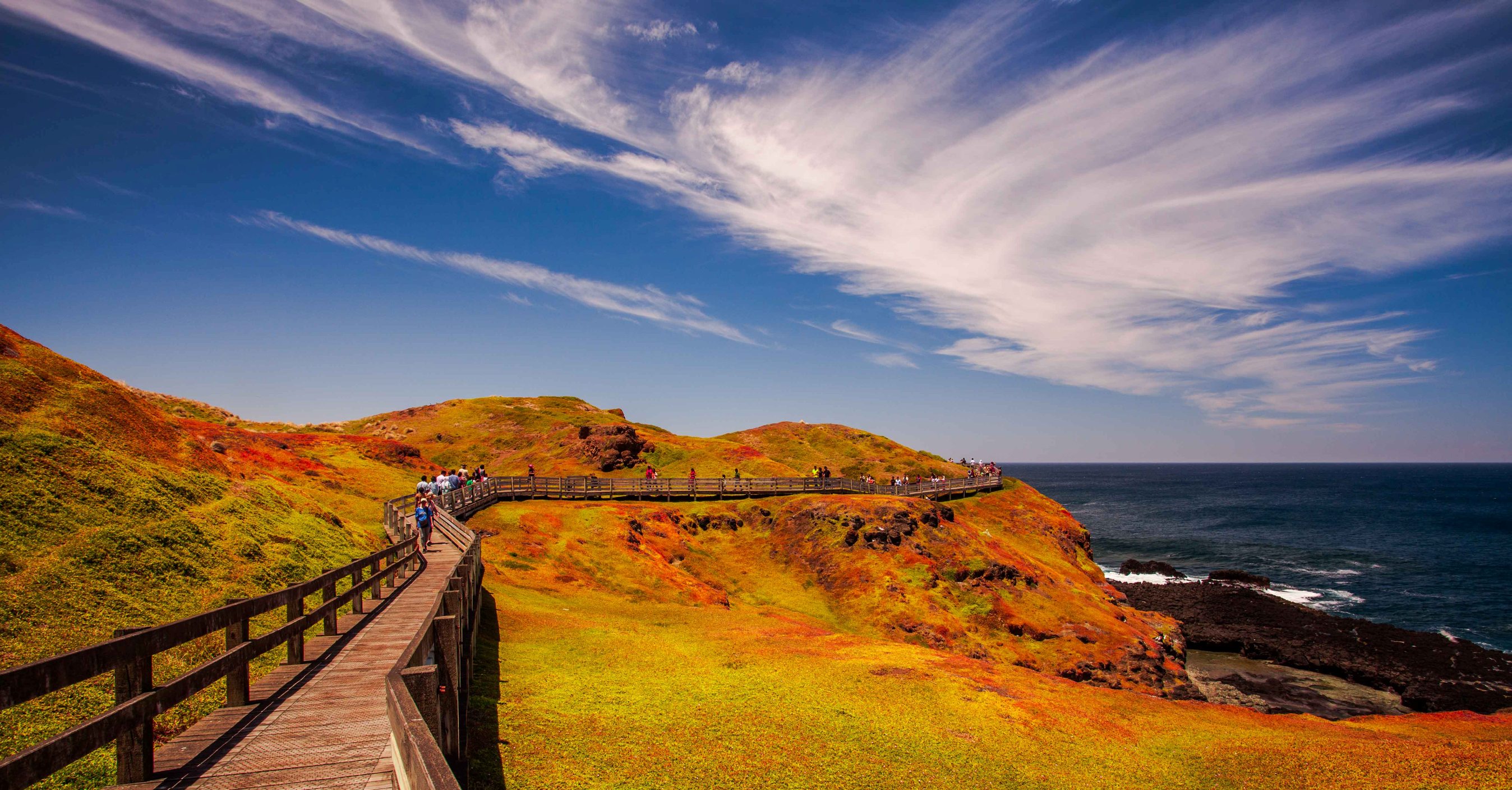
夕阳西下,南太平洋上的海面被晚霞渲染成一片橘红色。慕名而来的游客们在木质的栈道上,迎着凛冽的寒风,屏住呼吸,无比期待眼前就要出现的奇迹。

PENGUIN11
PENGUIN12

人们难以抑制激动兴奋的心情,翘首眺望。
哦!远处的海面那些是什么?

PENGUIN13

一个个圆圆的黑色小点点出现了。渐渐地,看清楚了!那是一群小企鹅!它们排着整齐的队伍,摇摇摆摆地上岸了。太神奇了!人们静静地看着一对对小企鹅在眼前秩序井然地走过。这难道是上演一场企鹅阅兵式吗?

PENGUIN14
PENGUIN15

企鹅夫妇会恩爱一生,它们齐心协力,共同抗击风雨,勇敢地生活。每一个家庭成员都是最重要的,在归巢的途中,小企鹅们会耐心地等待那些掉队的同伴,不离不弃,直到重聚在一起再继续赶路。

PENGUIN16
PENGUIN17
PENGUIN18

小企鹅是菲利普岛上最重要的自然瑰宝。从上个世纪50年代起,岛上就成立了大型企鹅保护区,通过各种举措,全面保护小企鹅以及它们的生存环境。

PENGUIN19

所有见证过菲利普岛企鹅归巢的旅人们,无不为之震撼,感慨大自然无私的恩予。这么弱小的生命,却如此的友爱互助!这么弱小的生命,却能在惊涛骇浪中泰然自若,世世代代的繁衍生息!

PENGUIN20

生命意志的坚韧和顽强,它们之间的真情友爱,深深地撞击着我们的心灵。在这无限感动之余,更加坚定了我们的信念,让我们担负起使命和责任,同心来保护好每一个生命奇迹吧!

PENGUIN21

R生活 – Review 温故知新

前事不忘,后事之师。温故知新对知识、情感以及社会的重要意义就是从温故中做出深刻的判断,在知新中有潜心的思考。明史为鉴,古为今用,取其精华,去其糟粕。

REVIEW01

同一种事物,在不同的时期,不同的情景,给人的启迪是不一样的。温故知新,是比较和鉴别事物最好的方式。要从不断的温习中累积经验,时刻做好充足的准备,才能处变不惊,做到即来之则安之,一切尽在掌握之中。

REVIEW02

有自觉进取意识的人每日都会自我反省,总结一天中的所思所行来获得新知和启迪。每天都会塑造一个全新的自己。

REVIEW03

我们可以借鉴别人的成功经验,再通过主观能动的思考、提炼和总结,设计出更精彩的人生蓝图。

REVIEW04

温故知新就是永不停息的自我进化过程。要沉下心来,先知史、知过、知己、再修身、修行、修意,把自己不断地带到更新、更高的水平,永远追求卓越。

J.O.E 带你去旅行

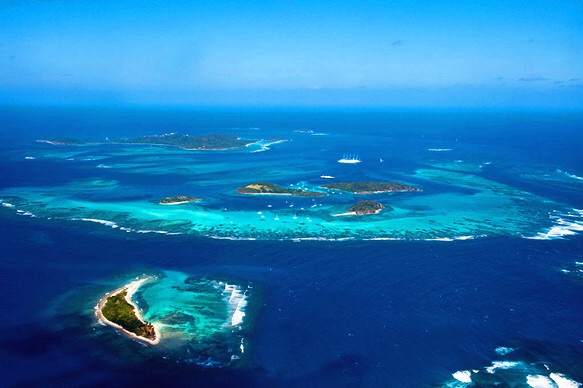
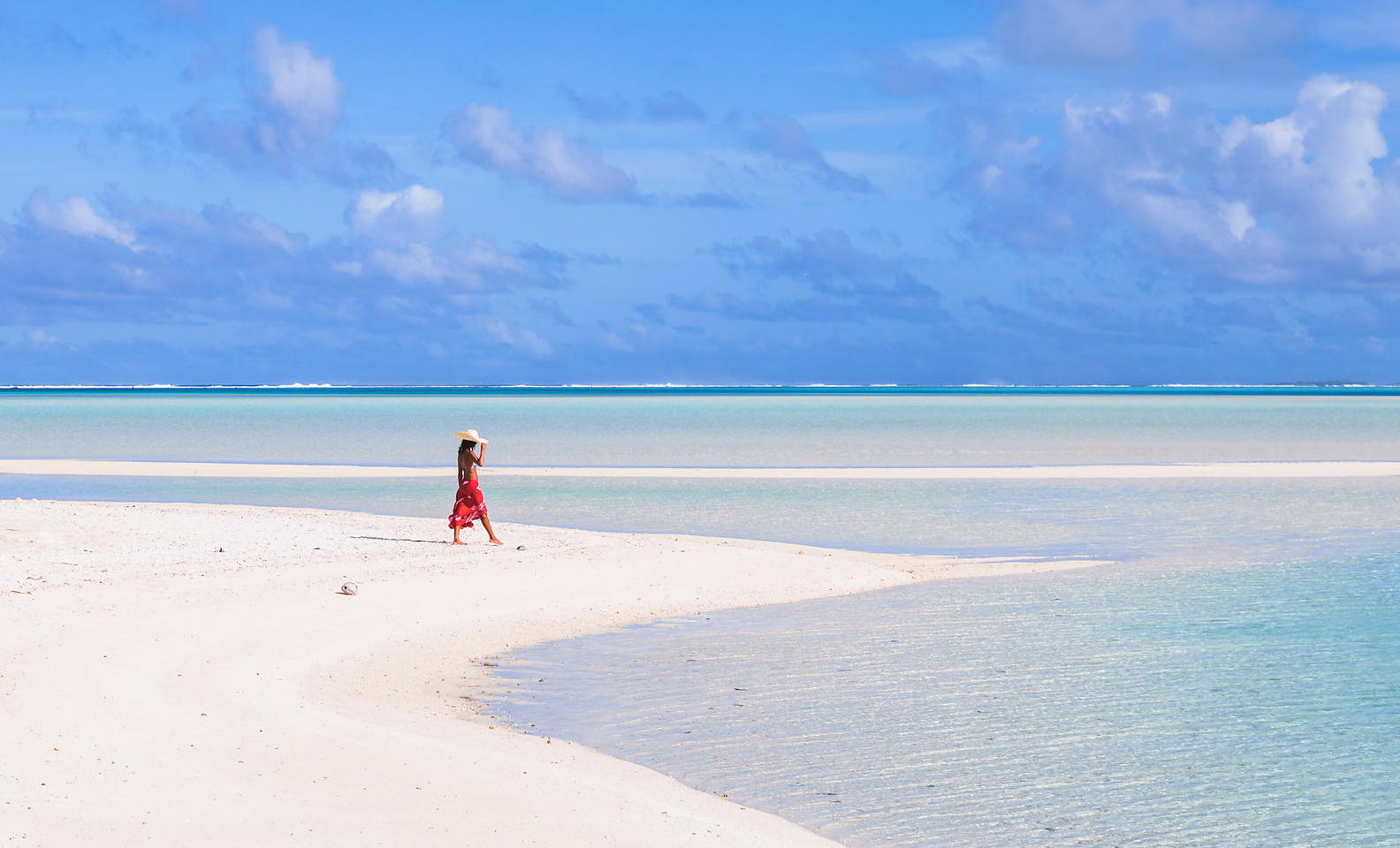
今天我们一起去南太平洋的一座美丽岛屿,库克群岛的艾图塔基。

UTOPIA01
UTOPIA02
UTOPIA03

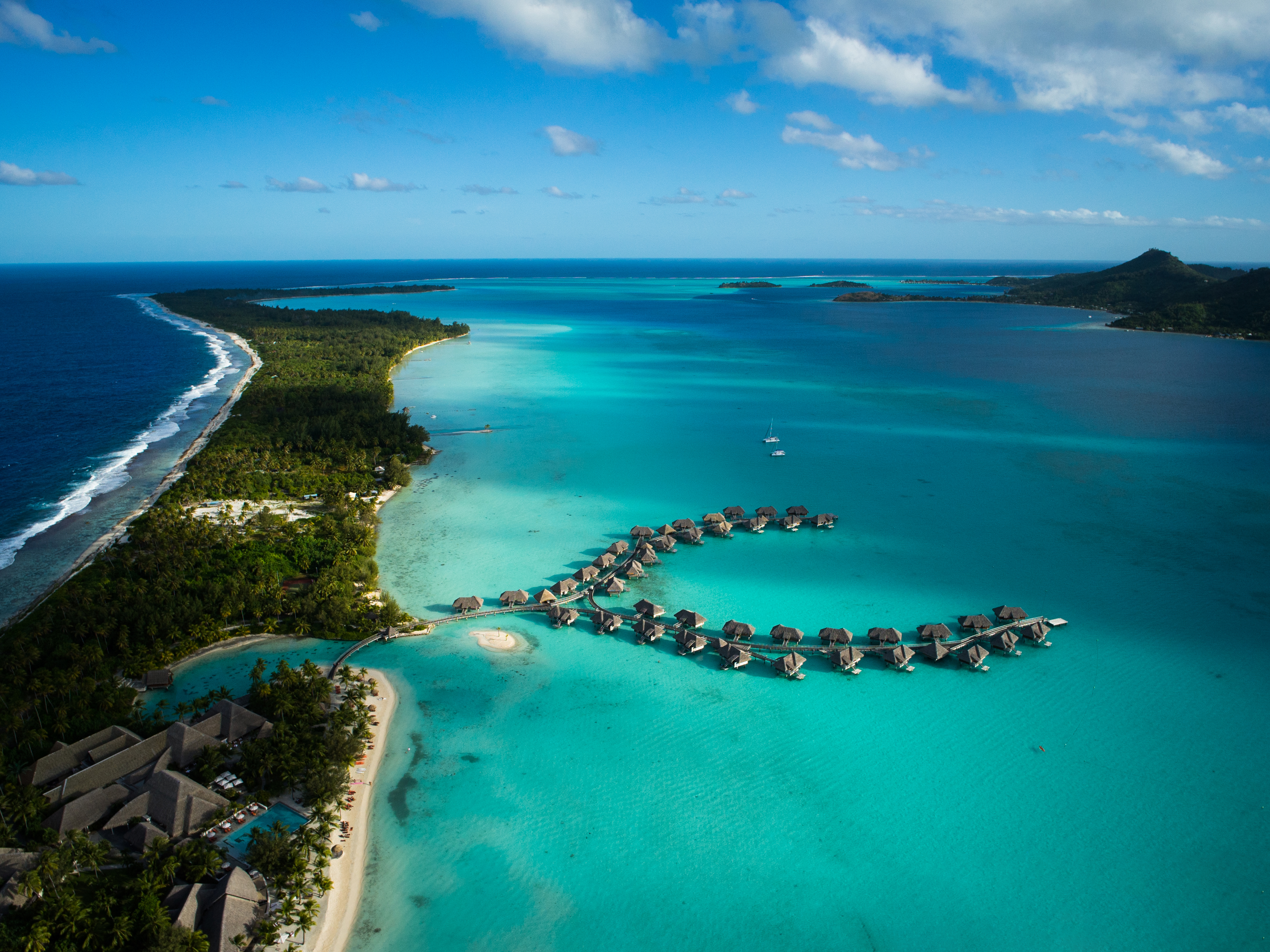
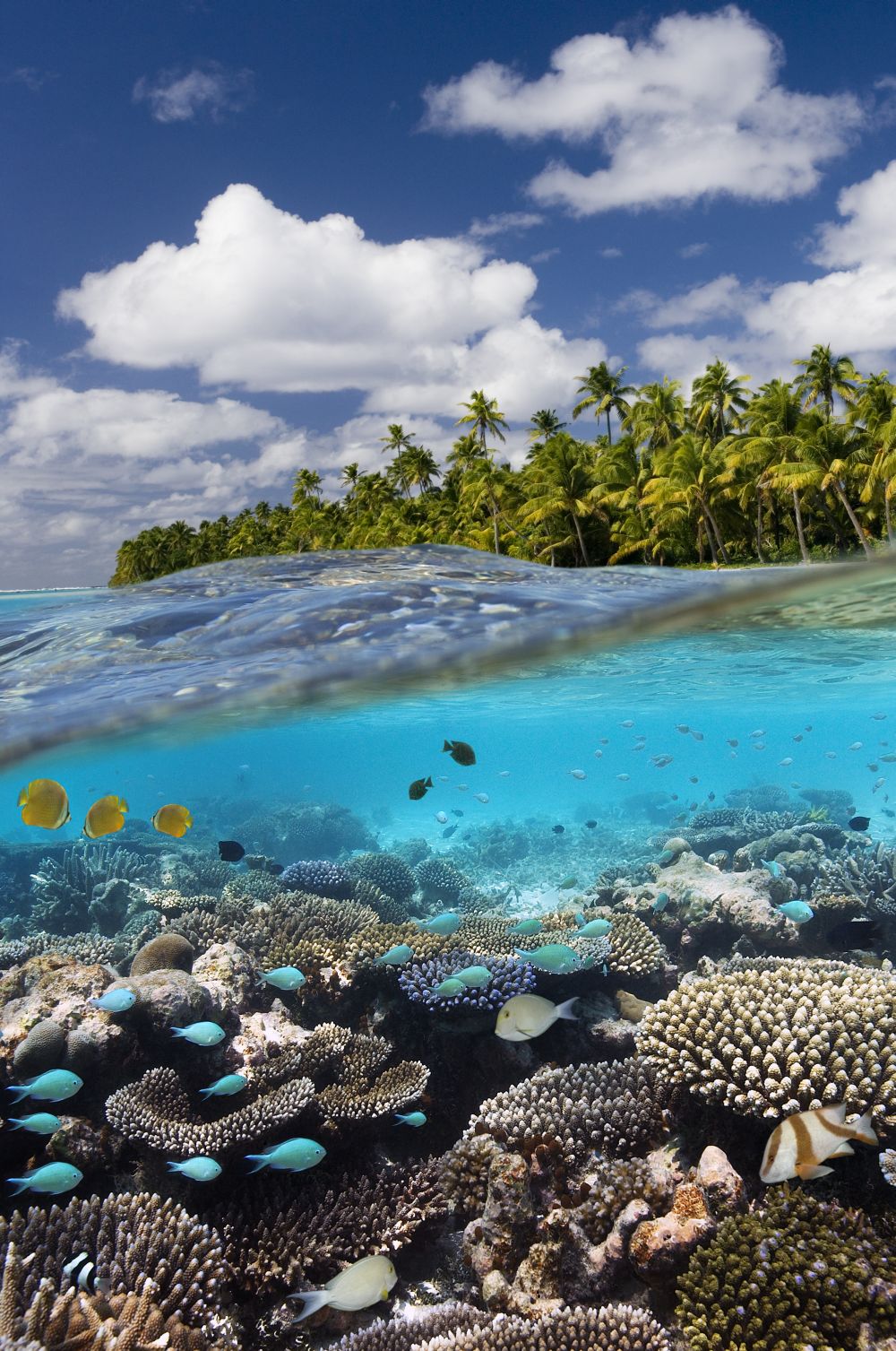
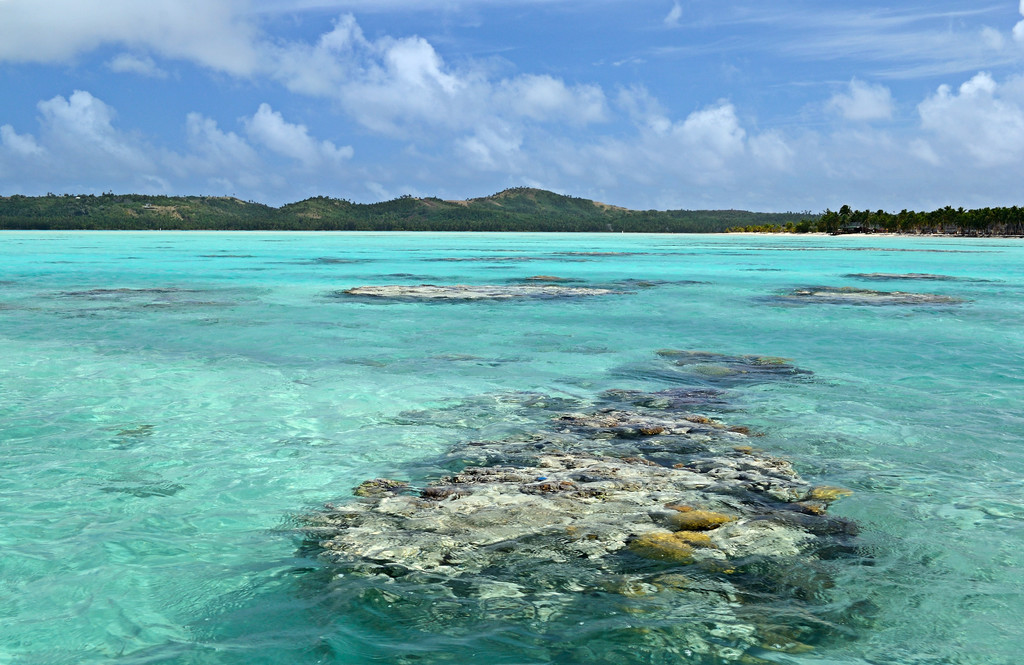
这里碧海蓝天、阳光明媚、安谧祥和、海风轻拂、椰影婆娑。轻踩着细软白沙,迎着温润的海风,聆听涛声阵阵,无与伦比的自然之美,海滨的万种风情美轮美奂。五彩斑斓的海水浪漫迷人,无论浮潜至净透的水下,欣赏海底千姿百态的珊瑚奇观,还是在海边击水逐浪,卧波纳凉,都会让你心旷神怡。热带原生态的自然风光能满足你对世外桃源的一切美好想象。

UTOPIA04
UTOPIA05
UTOPIA06
UTOPIA07

艾图塔基拥有令世人惊艳的潟湖,色彩纷呈。岛上植物繁盛,处处奇珍异草,生态环境令人赞叹称奇,是真正人与自然和谐共生的家园。甚至可以看到大批的鲸鱼出没在这片海域。

UTOPIA08
UTOPIA09
UTOPIA10

这里的人们精神富足、简朴纯真。
木质的房屋四周鲜花锦簇,
香蕉、杨桃、木瓜、
番石榴在绿林中掩映生姿,
椰子更是天然的装饰品。

UTOPIA11
UTOPIA12

佩戴艾图塔基的素馨花是这里的风俗。据说,鲜花戴在右侧表示未婚,戴在左侧表示已婚。在这里不妨入乡随俗,乔装打扮一番自己。

UTOPIA13
UTOPIA14
UTOPIA15
UTOPIA16

大海就是艾图塔基人的家园,所以,他们深爱着这片海洋。对于远离陆地岛屿来说,环境和生态保护就是生命。岛上各处张贴着环保标识,矗立着醒目的Keep Aitutaki Clean。

UTOPIA17
UTOPIA18

Aitutaki Marine Research Center 是岛上一家20多年的非盈利环保机构,承担着保护全岛水生动植物的职责。他们为来这里的游客普及海洋和环保知识。

UTOPIA19
UTOPIA20

当我们在感悟和体验世外桃源式的美好生活、享受大自然的瑰丽带给内心安宁的时候,更要懂得珍视和爱惜生活中所有来之不易的一切!

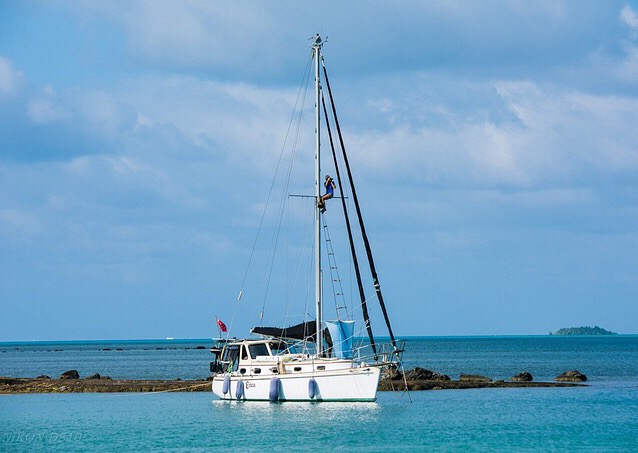
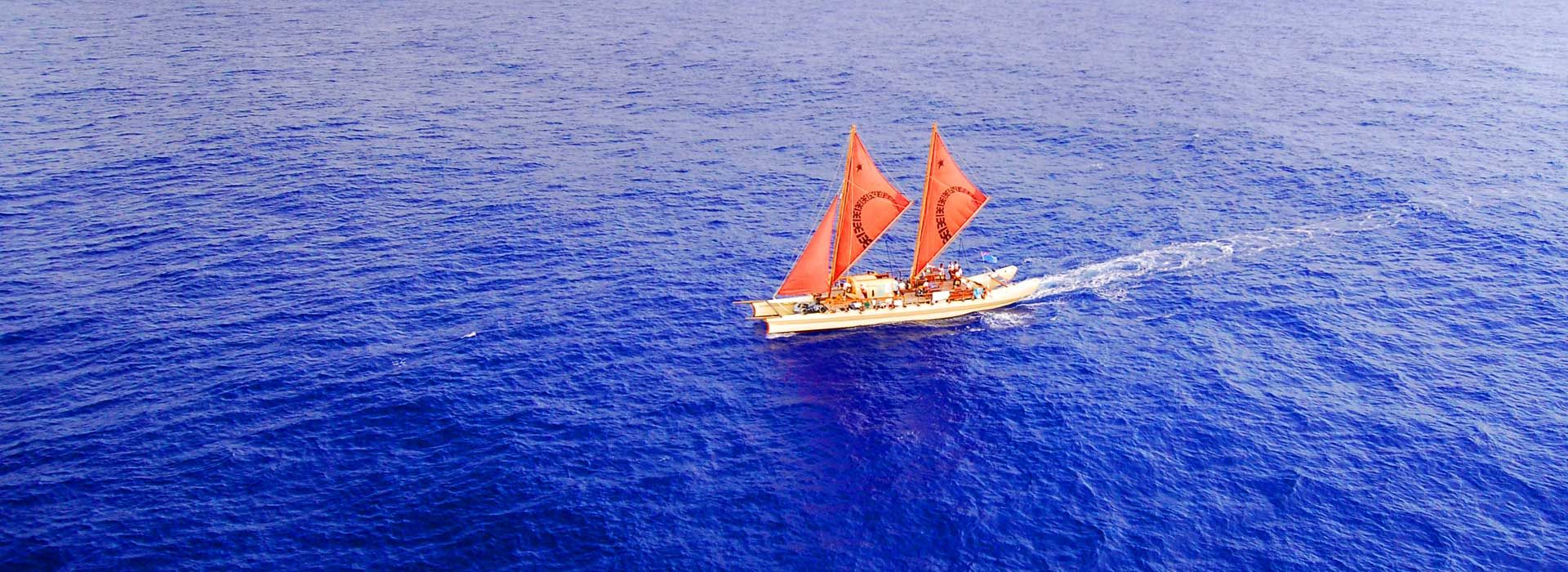
乘帆船在南太平洋破浪前行
被椰林夕照美景所震慑
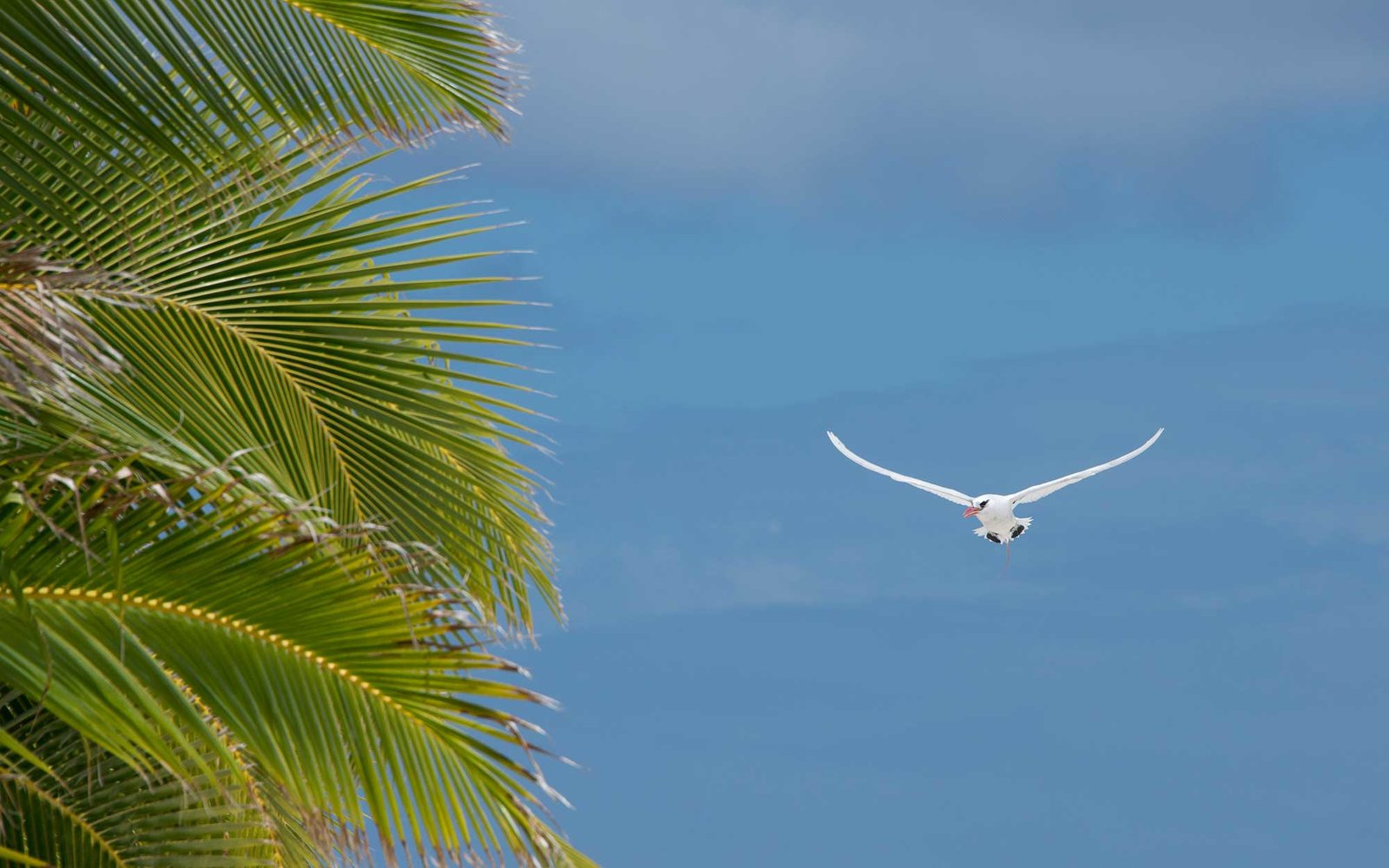
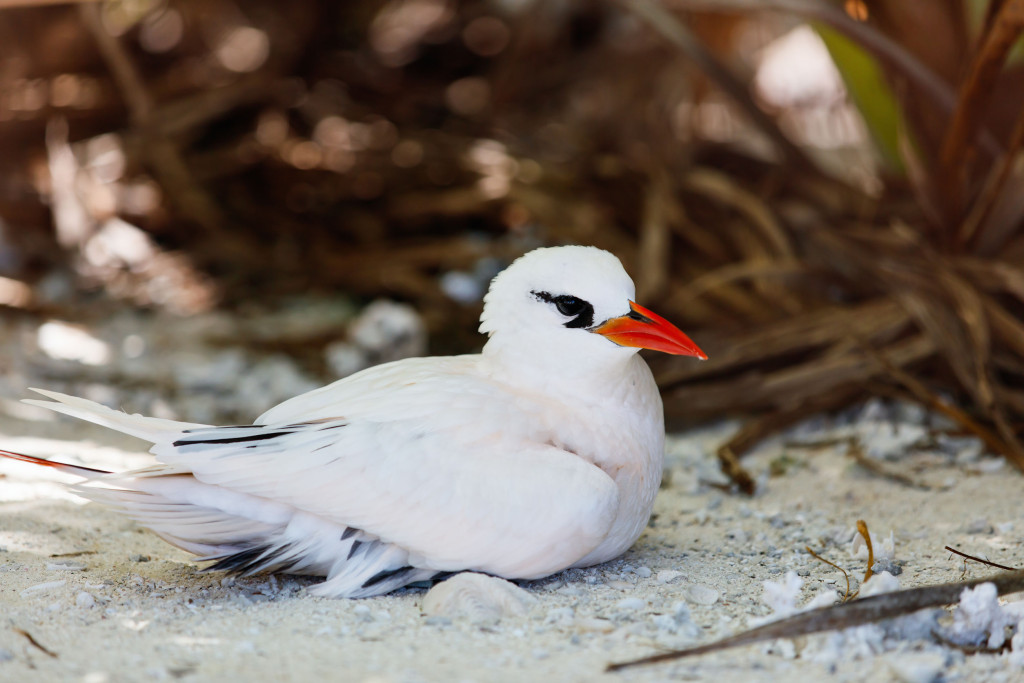
与海鸟、珊瑚、鲸鱼近距离接触
在旅程的终点深深地意识到
只有保护这片海洋
人间才有世外桃源!

UTOPIA21COV

面对气候变化 新加坡以长远规划加强应对措施

气候变化带来的威胁迫在眉睫,全球若不采取行动,继续对当前温室气体排放情况置之不理,新加坡到了2100年将面对更炎热天气、海平面上升问题,以及南极冰架倒塌带来的强大破坏力。

联合国政府间气候变化专门委员会将在2022年发布第六次评估报告,我国已经准备检讨规划范围,将报告中的新预测纳入考量,以更好地应对气候变化带来的影响。

国务资政张志贤星期四(7月4日)在蚬壳石油公司举办的”共创未来”论坛上致辞时,详述我国在应对气候变化所做的方方面面准备,包括减排、促进与利益相关者的合作,以及加强我国面对气候变化的抵御能力。

也是国家安全统筹部长的张志贤说,我国资源有限,早在1960年代发展初期,气候变化仍未成为关注点之前,已经致力于打造一个绿色环境,而这份长期规划理念一直不变。

新加坡目前应对气候变化所采取的对策,是参考了新加坡气候研究中心所进行的第二份全国气候变化调查。这份调查是以联合国政府间气候变化专门委员会2014年发布的第五次评估报告预测为依据,从而为新加坡制定对策。

张志贤指出,如果全球各国不采取行动应对当前温室气体排放情况,到了2100年,我国可能面对平均每日气温比1980年至2009年间,上升4.6摄氏度的情况,而到时的全球海平面相比于1986年至2005年间,将上升达一公尺。

到时的这个情景还未将南极冰架倒塌可能带来的冲击纳入考量,而它所带来的影响一直备受全球科学家关注。不少外国媒体去年底也报道了南极冰架倒塌恐引发全球大规模水患等隐忧。

新加坡在这方面早已未雨绸缪,采取行动,包括在2011年已把新填海土地的最低填海水平调高一公尺,而未来的大型基础建设如樟宜机场第五搭客大厦和大士码头也都会建在更高平台。同时,政府也在探讨需要进一步采取哪些填海、建造防波堤(sea wall)等措施,更好地保护我国沿岸地带。

张志贤说:”这些是我国必须做出的重大投资,以保障我们的未来,应对未来几十年海平面上升所带来的影响。”政府会谨慎探讨各项措施的成本效益(cost-benefit)。

此外,新加坡也正在透过让资源来源更多元化和自给自足能力的加强,来强化我国气候变化应对能力。

张志贤说:”在我们加强韧性的同时,也会积极帮助企业将挑战转变为机遇,建造绿色建筑与研发节能科技,推动节能节水及节省土地的城市耕作”

例如,吉宝岸外与海事正在与本地研究机构合作设计可抵抗北极海洋与冰川情况的钻探平台(rig)和其他岸外设施。新科工程最近也获颁合同,为美国海岸卫队设计和建造能穿越极地冰区的新重型破冰船。

另一方面,蚬壳石油公司也在”共创未来”论坛上宣布于本地设立旗下首个全球城市解决方案生活实验室。

蚬壳石油公司将与政府、私人企业和各地社群紧密合作推动创新概念与先进科技,改善能源与资源的使用方式,朝更节能减碳的未来迈进。

张志贤说:”气候变化无疑是我们现在面对的最棘手全球挑战之一。我们现在就须要采取行动减低碳排放量并培养应变能力,以在这个世纪末和更长远的未来保护好我们自己。”

SINGAPORE – As a small, low-lying island state, Singapore will continue to take preventive action against the impact of climate change, Senior Minister Teo Chee Hean said on Thursday (July 4).

Mr Teo drew attention in particular to the Republic’s efforts in going low-carbon and managing rising sea levels in a speech at the sixth Asian edition of the Shell Powering Progress Together forum.

Singapore raised the minimum level for newly reclaimed land by 1m in 2011, a move that preceded the Intergovernmental Panel on Climate Change’s (IPCC) most recent report in 2014 by three years.

The report projected that global sea levels – relative to Singapore’s sea levels from 1986 to 2005 – will rise 1m by 2100 if the world’s current carbon emission trajectory remains unchanged.

But sea waters could potentially rise even further, Mr Teo noted, as the report did not factor in the impact from the possible collapse of melting Antarctica ice shelves.

“We are currently studying what further measures we need to take, such as reclamation, sea walls or pumping stations, to better protect our coastal areas,” said Mr Teo, who is also Coordinating Minister for National Security.

“By planning early, we can phase in the necessary measures so that the cost can be spread out over many years.”

For example, the new mega-port at Tuas Terminal and Changi Airport Terminal 5 will be built 1m and 1.5m above the minimum level required respectively.

The focus of this year’s forum was on sustainable energy use in future cities. At the forum, Shell launched its first global City Solutions Living Lab, to be located here.

A multidisciplinary team will develop technological solutions aimed at helping cities move people and goods with lower emissions and switch to cleaner energy options, while working together with city authorities.

Shell said it chose to base the lab in Singapore due to the city-state’s active push for energy transition and sustainability, its pro-business environment and Shell’s longstanding presence here, going back to 1891.

Singapore’s commitment to a green environment dates back to the 1960s and going low-carbon is an extension of that, said Mr Teo.

Singapore introduced a carbon tax earlier this year and is investing in infrastructure for more electric vehicles to reduce the nation’s carbon footprint.

The tax, currently set at $5 per tonne of greenhouse gas emissions in carbon dioxide equivalent, will be reviewed in 2023 with a view to increasing it to between $10 and $15 by 2030.

Mr Teo added that Singapore is happy to work with businesses like Shell who have adopted significant measures to reduce their carbon footprint.

“Businesses need to transform their business models for a world that demands corporate climate responsibility, and take advantage of the opportunities that this offers,” he said.

Source: Zaobao / The Straits Times