阿根廷的两个南极考察站分别录得两项自1961年有记录以来南极最高的气温纪录。Argentinian research station logged the hottest temperature in Antarctica since 1961.
Continue reading
阿根廷的两个南极考察站分别录得两项自1961年有记录以来南极最高的气温纪录。Argentinian research station logged the hottest temperature in Antarctica since 1961.
Continue reading
知己知彼,反败为胜
Continue reading
天鹅效应是由知名思想家纳西姆·尼可拉斯·塔雷伯提出的,用来比喻一件将要发生并会造成重大影响的事件,但这种事件的发生是极为罕见的,超出了历史、科学、金融和技术领域的正常预期。
Continue reading
有了记录才有文明的历史才有精神的传承
沧海桑田记录了浩瀚宇宙的变幻,揭示了生命演化的奇迹。悠远古老的化石记录了地球世代生命的更迭,诉说亿万年前的故事。纸砚笔墨书写了尘世的历史,保留下古今珍贵的画卷。


从甲骨文、竹简、纸张到唱片、电影和数码科技,人类用笔墨、用音乐、用镜头记录下了思想和风土人情。


人生如旅,即充满欢笑,也饱含泪水。有依依不舍,有难以忘怀,有刻骨铭心。



生活的片段和朴实的瞬间,无论是好是坏,都记录在生命的轨迹里。每个人才能拥有一本属于自己的史卷,成为故事的主角。


往昔岁月,青春年少,时光虽然一去不复返,但却有那么多美好的事物值得回味。父亲伟岸的身影,母亲慈祥温柔的叮咛,最初纯真的梦想,盼望已久的生日礼物,收获成功后的喜悦,伤心难过的离别,都会铭记在内心深处,成为人生最宝贵的精神财富。


R生活,是现代快节奏生活中一处短暂驻足歇息的驿站,记录着生活的点点滴滴,传递心灵内在最真实的感悟。每一篇文字都在提醒人们向往美好,追求真实质朴。

经历了近一年时间的笔耕不辍,悉心雕琢,R生活系列推文迎来了圆满的篇章,也为今后新的历程拉开序幕。


衷心感谢大家一直以来的陪伴,静静的聆听,在岁月流逝中,我们并肩前行,共同进步成长。

我们由衷地祝愿每一位朋友,都能从这些用心赋予生命的文字中,得到思想的升华,收获心灵的宁静,在人生的旅途中,获得力量,拥有一个健康、充实和美好的人生!


静坐常观己心
Continue reading
意大利水乡威尼斯星期天迎来一周内的第三次罕见大潮。与此同时,意大利其他多处地区也豪雨不断,导致佛罗伦萨和比萨发布洪水警讯。
Continue reading
专家警告,如果不立即采取行动减少碳排放,气候变化将对全球下一代人的健康构成威胁,现在的孩童未来将在面临粮食短缺、传染性疾病、水灾和极端高温等风险的世界中长大。
由世界卫生组织和世界银行等35个机构组成的联盟“柳叶刀倒计时”(Lancet Countdown)周四(11月14日)发布了年度报告,重点追踪了公共卫生与气候变化之间的联系。
儿童处发育阶段更容易受影响
报告指出,世界各地的儿童目前已经受到空气污染和极端天气等冲击,未来还将面对气候变化对人类健康造成的更严峻风险,包括通过空气传播的疾病、因农作物歉收导致的营养不良,甚至是因洪水和野火等天灾激增而引发的心理和生理创伤。
这个联盟的研究团队汇集了120名专家,领导有关研究的“柳叶刀倒计时”总监沃茨说:“在面对气候变化带来的健康风险时,儿童是最脆弱的。他们的身体和免疫系统仍处于发育阶段,这让他们更容易受疾病和环境污染影响。”
他警告,儿童早期遭受的健康损害是持久且全面的,影响将持续一生。他在伦敦的汇报会上说:“如果全球各国不立即减少温室气体排放,那么人们的身心健康和预期寿命都将受到影响,气候变化将决定一整代所有人的健康。”
专家指出,采取政策限制碳排放和遏制全球暖化将带来完全不同的结果。例如,今天出生的小孩可在六岁时见证英国停止使用燃煤发电,并在31岁时看到全球实现零排放;反之,如果碳排放每年持续上升,地球气温将在本世纪末上升4摄氏度。
过去30年,全球主要作物如玉米、冬小麦和大米的收成都减少了。这意味着婴幼儿出现营养不良的风险提高了,这将导致他们发育迟缓、免疫系统减弱,进而造成长期发育问题。
气温变化也导致传染性疾病增加,而儿童是最容易受感染的。过去30年,造成全球大部分儿童腹泻病例的弧菌(Vibrio bacteria)繁殖和传播的天数增加了一倍;由蚊子传播的疾病如骨痛热症和疟疾也有上升趋势,全球约有一半人口面临感染骨痛热症的风险。
此外,住在城市里的居民也因为空气污染而染病或早逝。2016年,全球估计有100万人因为燃煤发电导致的空气污染而早逝。
该报告指出,随着全球气温上升,出现极端天气的概率将上升,这将更频繁地影响全球的劳动生产力。2018年,因极端高温而损失的劳动时间比2000年增加了450亿小时。
沃茨指出,发达的温带国家应高度关注热浪现象;欧洲今年遭连串热浪席卷,各国温度屡创新高。
他说:“用大气二氧化碳的浓度均值来谈气候变化,对大部分人来说是很难理解。但健康是真实的,我们全都知道这方面的影响是什么。”
另一名撰写人卡尔森指出:“如果我们要保护我们的孩子,就得确保他们吸入的是无毒的空气。”
沃茨郑重提醒:“一个今天出世的小孩如果按全球平均寿命可活到71岁,那就是2090年。也就是说,他会碰上气温升高4度。”

把握人生的节奏奏响生命的旋律
节奏与韵律结伴而行,是艺术之美的灵魂,是大自然生生不息的本原。各种元素完美辉映,复杂中错落有致,万事万物风采独特,和谐统一。

视觉艺术的节奏,光影变化万千,颜色五彩纷呈,律动中带着韵味。洋洋洒洒,或疏或密,富于感染力,给人视觉的享受。

音乐艺术的节奏,时而安静轻扬,缓慢流淌,柔情似水。时而激昂热烈,起伏跌宕,遥相呼应。体育运动的节奏,以轻盈、敏捷、速度、力量,将人体的极限美感体现得淋漓尽致。

教育的节奏是悉心引导,循循善诱,发挥潜质和天赋。在内心播撒一颗爱的种子,培育它茁壮成长。
良好的习惯就是积极向上的生活节奏只有好习惯才会有好生活
小的时候,用功读书,修德善行,努力地打下成才的基础。步入社会后,沉实稳健,心平气和,处变不惊。学会既来之则安之,懂得把握主次之分和轻重缓急。积极地思考、缜密的策划和彻底地执行。做优雅贤士,内心从容祥和,在清风和煦,阳光明媚中描绘好人生。

东升西落,斗转星移,沧海桑田是大自然亘古不变的真理。人们依地而生,顺天而行,黎明即起,洒扫庭除,作息规律,井然有序,也在文明的演进中,形成属于自身的特有节奏,世代传承,延续千秋。

快乐努力地生活吧!认真过好每一天,美好的人生是由每一个弥足珍贵的当下交织而成的。但是,我们要始终谨记,人类作为自然界的一部分,个人的节奏和集体的旋律必须相融相和。实现个人的理想目标同时,更要为社会带来善益和贡献。

舞动生命的韵律之美,这才是人生最好的节奏!

陈振声宣布,为朝低碳的可持续未来迈进,我国计划在2030年将太阳能装机容量提高到至少2千兆峰瓦,这一目标相当于当前260兆峰瓦水平的近八倍。
到了明年,全国每两座组屋就有一座会装有太阳能板。我国接下来将大幅扩大太阳能板安装范围,所产生的电量到2030年将能满足约35万户家庭的常年用电需求。

贸工部长陈振声昨天在新加坡国际能源周开幕式上宣布,我国计划在2030年将太阳能装机容量(installed capacity)提高到至少2千兆峰瓦(GigaWatt Peak,简称GWp),朝低碳的可持续未来迈进。
这一目标相当于当前260兆峰瓦水平的近八倍。
本地用来发电的燃料组合中,太阳能仅占总量不到1%,其余高达95%是天然气,以及石油与煤炭等。天然气虽是最清洁的化石燃料,但不是最环保的能源选项,因此把太阳能发电比重到2030年提升至4%,能有效降低我国的碳排放,减轻对气候变化的影响。
陈振声表示,尽管过去10年太阳能板安装数量已从30处增加到超过3000处,我国仍面对土地制约。
组屋、学校、国防等公共建筑以及私人工商建筑的屋顶、未被征用的闲置空地、蓄水池,甚至是岸外水域,都是政府安装太阳能板的范围。当局也探讨在建筑物侧面或是路面装太阳能板的可行性。
南洋理工大学能源研究院执行主任苏博德教授(Subodh Mhaisalkar)受访时表示,对民众而言,使用太阳能的一大好处在于全国的空气质量会得到提升。“如果排放到空气中的温室气体更少,民众也能享受更凉快的天气”。
陈振声认为,要善用太阳能,需要能源储存系统(energy storage solutions)的支持。我国天空多达80%的时间被云层遮盖,使得太阳能面对间歇性电流供应问题。加上每日高峰和非高峰的电力需求差距可达30%,能源储存系统能平衡电力需求,加强能源网韧性。
然而由于气候炎热潮湿,加上造价昂贵,本地能源储存系统采用率很低,据能源市场管理局提供的数据,已安装的存电容易不到1兆瓦(MW),且大部分还在试验阶段。
发展四大“能源开关”
尽管如此,我国仍将坚持增加资源投入研发,力求在2025年之后使用存电量达200兆瓦的能源储存系统。陈振声说,研发一旦成功,除了节省部分基础设施建造成本,“解决方案不仅对新加坡有利,也会惠及新加坡以外的其他国家”。
他展望,如同我国成功谱写属于自己的水源故事,未来50年我国要书写的是能源故事。加大太阳能使用、提高天然气效能、开发跨国电网和投资低碳替代能源是我国接下来的四大电力来源与发展重点。“我们这代人的职责是确保为下一代留下更洁净、更实惠和更可靠的能源故事。”
The Republic is ramping up its drive to soak up more energy from the sun, amid growing global awareness on how fossil fuels are contributing to climate change.
By 2030, Singapore wants to ramp up its solar capacity by more than seven times from current levels, and increase the current 260 megawatt-peak (MWp) of installed solar capacity to 2 gigawatt-peak (GWp).
This is enough to meet the annual power needs of around 350,000 households in Singapore, or about 4 per cent of Singapore’s total electricity demand today.
The new 2GWp target for Singapore was outlined by Minister for Trade and Industry Chan Chun Sing on Tuesday morning (Oct 29) at the opening of the Singapore International Energy Week held at the Sands Expo and Convention Centre.
Solar energy is the most viable renewable energy option for Singapore, but harnessing it to power the nation did not come without obstacles.
Singapore’s small size, the intermittency of sunshine due to cloud cover and urban shading, and cost of solar deployment were some challenges.
Currently, solar energy contributes less than 1 per cent to Singapore’s total energy mix.
More than 95 per cent comes from natural gas, the cleanest form of fossil fuel. Other sources, such as oil and coal, round up the mix.
But just as how Singapore pushed the boundaries on water technologies and thrived, so too will the nation tackle the energy frontier, said Mr Chan.
Singapore does not have any natural sources of water but has overcome the erratic nature of weather-dependent sources of water, such as rainfall, with desalination and by recycling used water.
The next frontier for Singapore, said Mr Chan, is energy.
Singapore started moving on this front since the early 2000s, when it switched from oil to natural gas – a cleaner fuel which Singapore now imports in liquefied forms from all over the world and through pipes from neighbouring Indonesia and Malaysia – to power the nation.
The next step would be to increase the adoption of solar energy here, Mr Chan said.
In the longer term, Singapore could be plugged into a regional power grid to trade electricity with its neighbours, which would increase its energy security, even as the Republic invests in research and development in other low-carbon technologies that, unlike solar energy, have yet to become commercially viable.

his includes research into the possibility of using “green” hydrogen as a fuel, and in carbon capture utilisation and storage technologies – innovations that could suck planet-warming carbon dioxide out of the air and convert it into useful products, such as chemicals and building materials.
MEETING THE TARGET
The Government is looking into a few ways to meet the 2030 solar target, said Mr Chan.
The first is to maximise the deployment of solar panels onto available surfaces, including rooftops, reservoirs, offshore sea space, and on the vertical surfaces of buildings.
Just as Singapore had turned two-thirds of Singapore’s land surface area into a water catchment area, the Republic will look to do the same for solar, he said.
By 2020, one in two HDB rooftops will have solar panels deployed.
Under the recently awarded SolarNova Tender 4 announced earlier this month, solar panels will also be deployed at 30 schools, as well as 13 Ministry of Defence sites.
Industrial developer JTC will also be deploying mobile solar panels and substations on vacant land, such as existing plots on Jurong Island, not required for development in the near future under its SolarLand initiative.
Mr Chan said Singapore will also invest more in research and development into energy storage systems. These essentially function as batteries when hooked up to solar systems, helping to overcome the challenge of intermittent sunshine.
EXPERTS WEIGH IN
Experts approached by The Straits Times said Singapore’s target of having 2GWp of installed solar capacity by 2030 is an ambitious target – but one that was achievable if certain conditions are met.
Professor Subodh Mhaisalkar, executive director for the Energy Research Institute at the Nanyang Technological University (ERI@N), pointed to Singapore’s limited land area and built-up environment, saying solar panels have to be deployed on a larger scale.
He said: “Other than deploying solar panels on Housing Board rooftops, we will need very large contributions from other sources, including residential and industrial buildings, and also deploy solar panels on infrastructure such as walkways and depots, on building facades and on water bodies such as reservoirs and the sea, to name some possibilities,” Prof Subodh told ST.
Another factor to consider is oil and gas prices, said Dr Thomas Reindl, deputy chief executive of the Solar Energy Research Institute of Singapore (Seris) at the National University of Singapore .
“The target seems achievable, as long as oil and gas prices don’t fall well below today’s levels,” he said.
He added: “This is important, as the cost of solar electricity in Singapore competes with conventional electricity. For larger rooftop installations of more than one MWp, the cost of the generated solar electricity is already lower than the typical commercial electricity rates, and in many cases even lower than the wholesale market price.”
While the increase in solar deployment is likely to occur in tandem with an overall increase in energy use, Prof Subodh and Dr Reindl are confident that solar would still be able to contribute about 4 per cent to Singapore’s energy mix by 2030, due to Singapore’s focus on energy efficiency.
Dr Reindl said that while some increase in energy demand would be from population growth, the main impact would come from existing and new industries, and possibly the shift from combustion engines to electric cars in the transport sector.
He added: “In all cases there are already measures or plans underway to proactively manage future electricity demand. Therefore, I am confident that the 4 per cent of total annual electricity demand by 2030 is achievable.”
REDUCING ENERGY USAGE THROUGH DESIGN
Even as Singapore moves to green its fuel mix, the country should also see how its energy usage can be managed, Mr Chan said.
In charting Singapore’s progress toward a future with a sustainable, reliable and affordable supply of energy, Mr Chan said managing energy demand was also important.
“I think we need to see how we can save on our usage of energy,” he said. Key to this is design, he noted, citing the unnecessary cooling of an entire hall to keep its occupants comfortable.
Said Mr Chan: “If you look at a typical audience hall, we just need to cool two meters up from the ground level to provide thermal comfort to the audience. Much of the cooling for the rest of the building is probably unnecessary.”
The importance of design also applies to the broader scale, he said, from the design of individual buildings to clusters of buildings, industries, and residential areas.
For example, technology can be harnessed to determine exactly how much cooling is needed, he said.
And in Singapore, the direction a building faces could have significant impact on its occupants’ energy consumption, not just because of where the sun rises and sets, but also where the wind is coming from, said Mr Chan.
“So how we design the precinct to make full use of the natural ventilation to reduce the cooling needs will be both an opportunity and a challenge,” he added.
Singapore also has the opportunity to refresh the entire island’s infrastructure in the next 50 years, he said, unlike other urban cities which grow as an urban sprawl, randomly and organically.
Efficient design could minimise the energy wasted in transporting people and goods across the island, and get rid of the “tidal effects” of traffic patterns, he said.
This essentially refers to the surge of people travelling in one direction to get to work – usually from north to south and east to west in the mornings – and back home in the other.
Said Mr Chan: “But if we can progressively redesign the entire Singapore, we will get rid of this tidal effect, which will lead to a much more efficient use of our transportation system and network, and certainly the amount of energy that we will need for the entire system.”
But even as Singapore continues to explore new technologies, and build new buildings with zero carbon footprints, the challenge would be to find cost-effective ways of retrofitting existing buildings and precincts and make them energy-efficient, he said.
“That is the area where the Energy Market Authority, together with (industrial developer) JTC, are looking at new capabilities to see how we can help existing… sites convert into much more energy efficient sites.”
Source: Zaobao / The Straits Times

人生之所以精彩,是因为每个人在生活中承担着不同的角色,深切地感受着生命成长的律动。

人有先赋角色和自致角色。
每一个角色都有特定的责任,
每一个角色都有不可替代的担当,
有着独一无二的意义和价值。

世间之情,冷暖交集,人生之路怎样难,都要往前走。如果我们改变不了固守的观念,那么我们可以自己改变,改变周围的环境。亦或改变不了事实,但我们可以改变心境,重塑新生。

在生活中,最大程度地发挥自己的良能,得到社会的承认。根据自己的素质、才能、兴趣和环境条件,选择好适合自己的社会角色,找准自己在生活中的位置,在正确的时间,正确的场合,做符合角色的正确事情。


一个人只有自律、自强,对自己高标准严要求,以最高程度、最强的责任心,去诠释好人生中的每个角色,完成每个角色赋予我们的使命,才能无悔人生!

对于家庭,我们要做孝善的儿女、钟爱一生的伴侣、慈心善爱的父母。
对于企业,我们要做创造者、管理者。
对于国家,我们要做建设者和捍卫者。
对于旖旎的大自然来说,我们要做修复者,更要做坚强的保护者!

Customers will no longer have to pay a plastic bag surcharge at the seven FairPrice supermarkets involved in the chain’s month-long “no plastic bag” trial, which ended on Wednesday (Oct 16).
But FairPrice said it was too early to reveal the results of the trial, which also involved a consumer sentiment survey, saying more updates will be available next month.
A spokesman thanked customers for supporting the initiative to reduce the amount of plastic bags taken, and added that the survey findings and consumer feedback will be studied and analysed “to develop a well-informed and sustainable action plan to reduce plastic bag use”.
However, she added: “Customers will not be charged at the seven stores that were involved in the trial upon its conclusion on Wednesday.”
Amid growing global awareness about the excessive use of single-use plastics including plastic bags, FairPrice launched its month-long “no plastic bag” trial on Sept 16 at several of its outlets.
As part of the trial, customers were charged 10 cents or 20 cents for every transaction in which they took plastic bags at seven FairPrice and Cheers outlets.
These were FairPrice Xtra at Hougang One outlet, FairPrice Finest at Zhongshan Park mall, FairPrice at Maple Tree 18 mall, Cheers outlets at Sengkang Community Hospital and in Create Way and Aljunied Road, and FairPrice Xpress in Lorong Chuan.
Shoppers who wanted plastic bags had to pay 20 cents per transaction at the FairPrice, FairPrice Finest and FairPrice Xtra stores, and 10 cents per transaction at the Cheers and FairPrice Xpress stores.
The money was donated to the Singapore Children’s Society and The Straits Times School Pocket Money Fund.
When the trial was first launched, The Straits Times spoke to over 30 customers across several outlets and found that most were supportive of the move to charge for plastic bags.
Shoppers of all ages were seen whipping out foldable reusable bags or taking along trolleys with them on their grocery runs.
However, the reaction on social media was different, with many commentators saying that they would simply throw rubbish down the chute if they were not given plastic bags for free.
Ms Pamela Low of the Singapore Youth for Climate Action environmental group said she commended FairPrice’s willingness to start the trial to charge people for plastic bags “in its efforts to be a responsible retailer contributing to Singapore’s push towards zero-waste”.
Under new zero-waste targets revealed by the Government in August, Singapore wants to send 30 per cent less waste to its only landfill on Semakau Island by 2030.
On comments that plastic bags are needed to bag rubbish, Ms Low agreed, saying: “I use plastic bags for wet trash too and we should still continue to bag our trash to avoid pest issues, given our high-rise infrastructure.”
However, she said that if FairPrice’s trial to reduce plastic bag uptake was successful, the supermarket chain could consider complementing the charge with a rebate scheme, in which customers who do not take bags get discounts on their purchases.
Said Ms Low: “I’m optimistic the trial will prove effective in helping Singaporeans save money and plastic bags.”
Source: The Straits Times

我们身处一个迅速发展的时代
生活节奏不断被加速,不断被刷新
犹如进入了一条光速般的隧道!
信息科技的发展彻底改变了人们的生活方式。通讯联络随着5G的诞生更加快捷便利。人工智能逐渐取代人力劳作,渗透到生活各个领域。微信、facebook、Instergram等社交媒体的出现,形成了全新的价值体系。所有人的生活完全被快文化所包围及深深地影响着。

快节奏使人们忽略了对生活的觉知和感动,快到无暇顾及身边的人与事,只是一味地消耗生命力,消费自我,没有从容地认知自己的内心,思考过自己的价值所在。所以,我们必须要学会张弛有度,收放自如,时刻保持理智警醒、强化敏感性,去除自我遮蔽,一定要主动地掌握人生的快慢节奏。
信息爆炸的时代,激烈的竞争,快速的发展,纷繁复杂的社会现象,强烈追求物质生活的欲望,给人们增加了无形的压力,使人心浮气躁,神不守舍。归根结底是缺少静气。宁静致远,涵养精气的过程就是在追求平衡,营造和谐,积蓄底蕴,成就境界。

真正的迅速是具备更强的时间观念,更高的做事效率,不断磨练提升自己的生存适应能力。在关键的时候,能抓住转瞬即逝的机遇,对于各种问题,都要防患于未然,对变化莫测的时局,迅速做出最合理、最有效的反应和决断。
所以,我们提倡在快节奏中过慢的生活。
快出人生的潇洒和精彩,慢出生活的质量和品位。

社会的快速发展也带来了更严重的环境问题。我们的生活有多便捷,环境的破坏就有多快速。为了降低成本,加快消费速度,大量的产品使用塑料包装。为了购物便利,人们毫无节制地使用塑料袋。电子产品迅速的更新换代,不断刺激人的非理性购物欲望,从而制造了大量的电子垃圾。
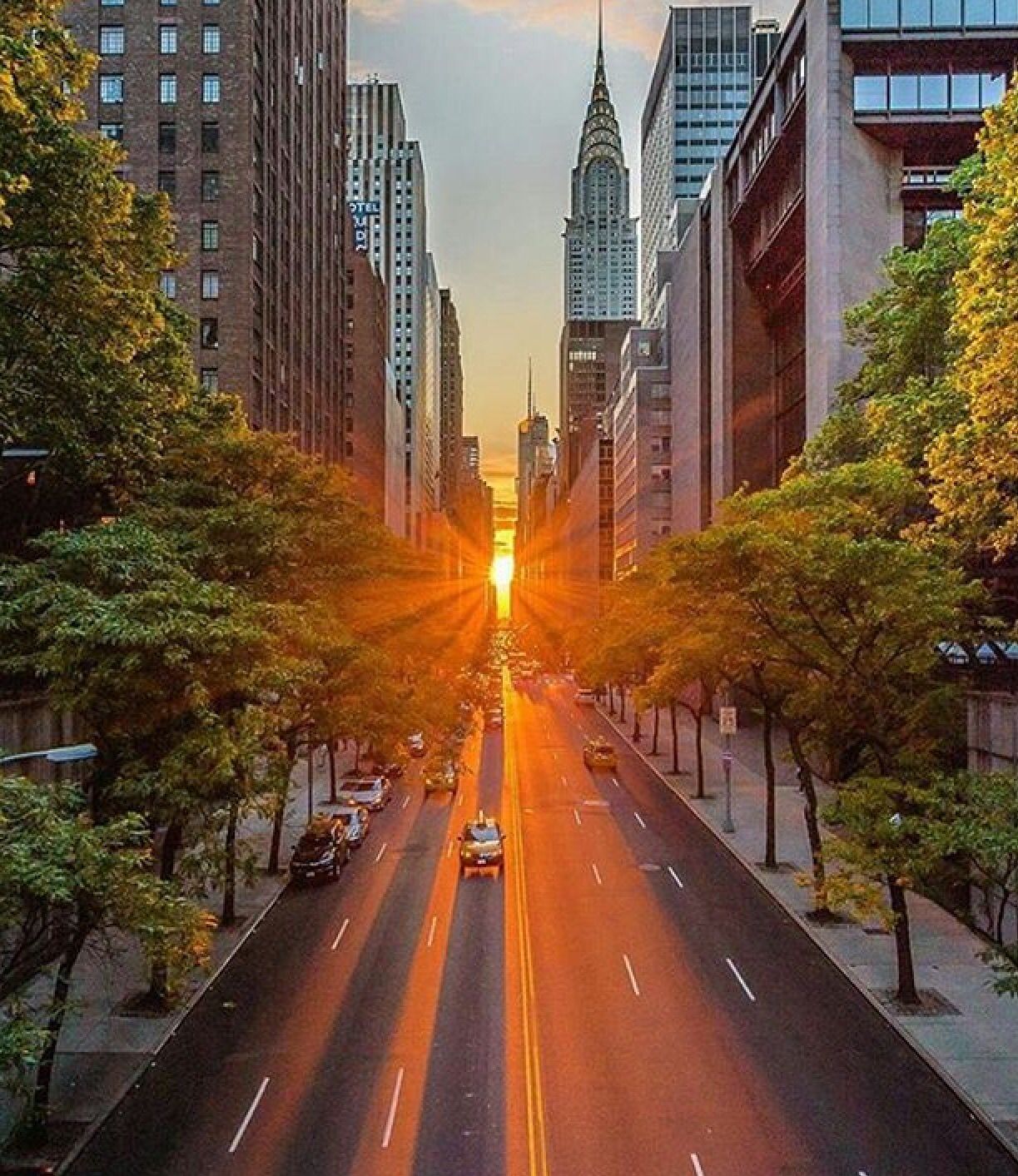
当今,危害人类的环境污染正以惊人的速度在迅速蔓延,我们必须要以更快的速度,制定科学的方法、采取有效的措施加以应对和处理,落实在实际的行动中,全力保护我们的生存环境!